The 5th Food Safety Technical Working Group meeting on risk-based food safety management along the value chain

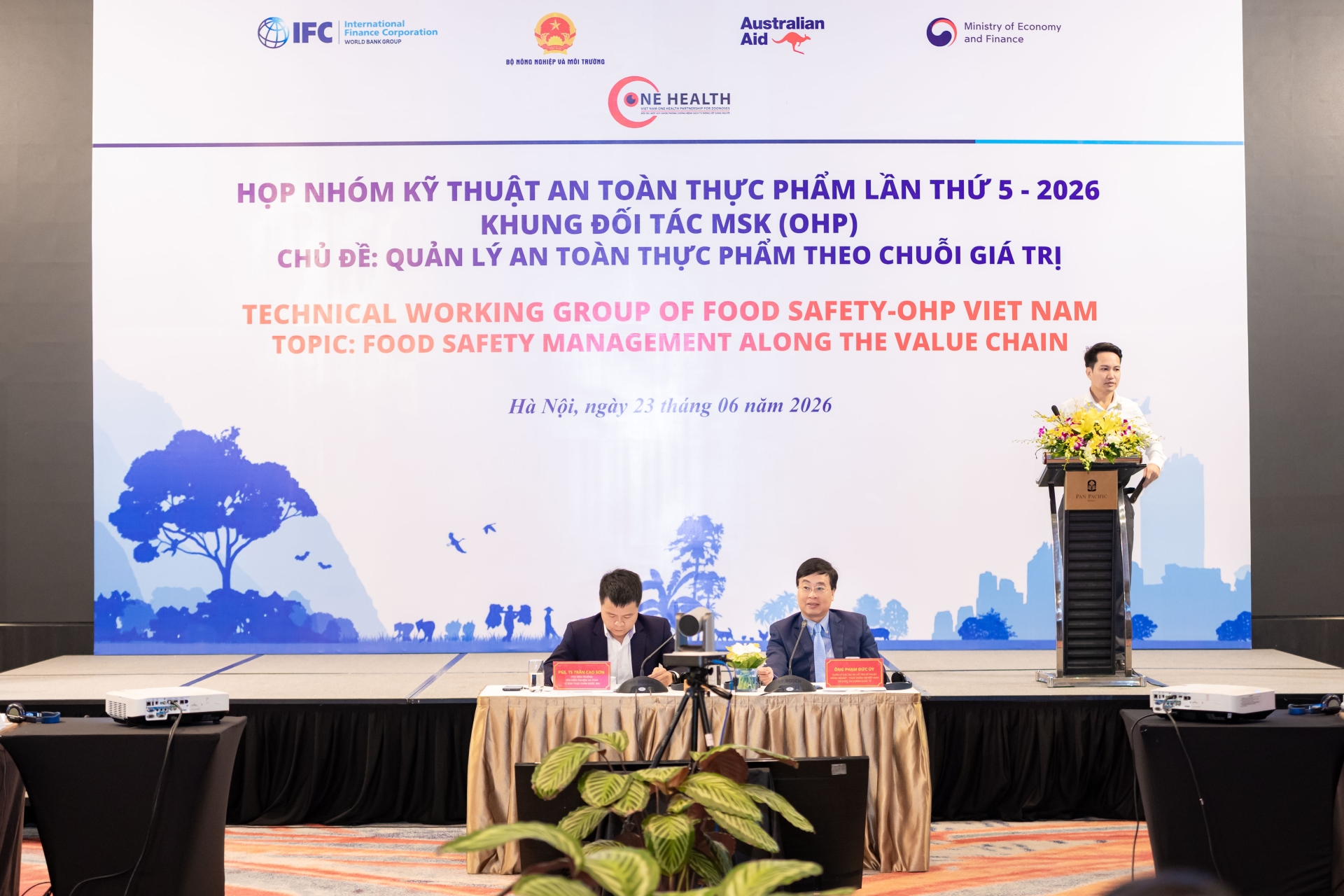
On June 23, 2026, the 5th meeting of the Food Safety Technical Working Group (FSTWG), organized within the framework of the Vietnam One Health Partnership (OHP), took place in Hanoi. The meeting, centered on the theme "Food Safety Management along the Value Chain” attracted a diverse range of participants from various ministries, international organizations, associations, and both domestic and foreign enterprises.
The meeting was co-chaired by the National Institute for Food Control (NIFC) under the Ministry of Health and the International Finance Corporation (IFC), in accordance with the FSTWG’s rotating co-chair mechanism. Notable attendees included representatives from the Ministry of Health, the Ministry of Agriculture and Environment, and the Ministry of Industry and Trade, alongside specialized agencies from various sectors. International representation featured organizations such as the IFC, FAO, WHO, UNICEF, and ILRI, as well as officials from the embassies of the United States, Ireland, Japan, Australia, New Zealand, France, Denmark, and Italy. The event also brought together industry associations, enterprises, and experts and scientists specialized in food safety, agriculture, and public health.
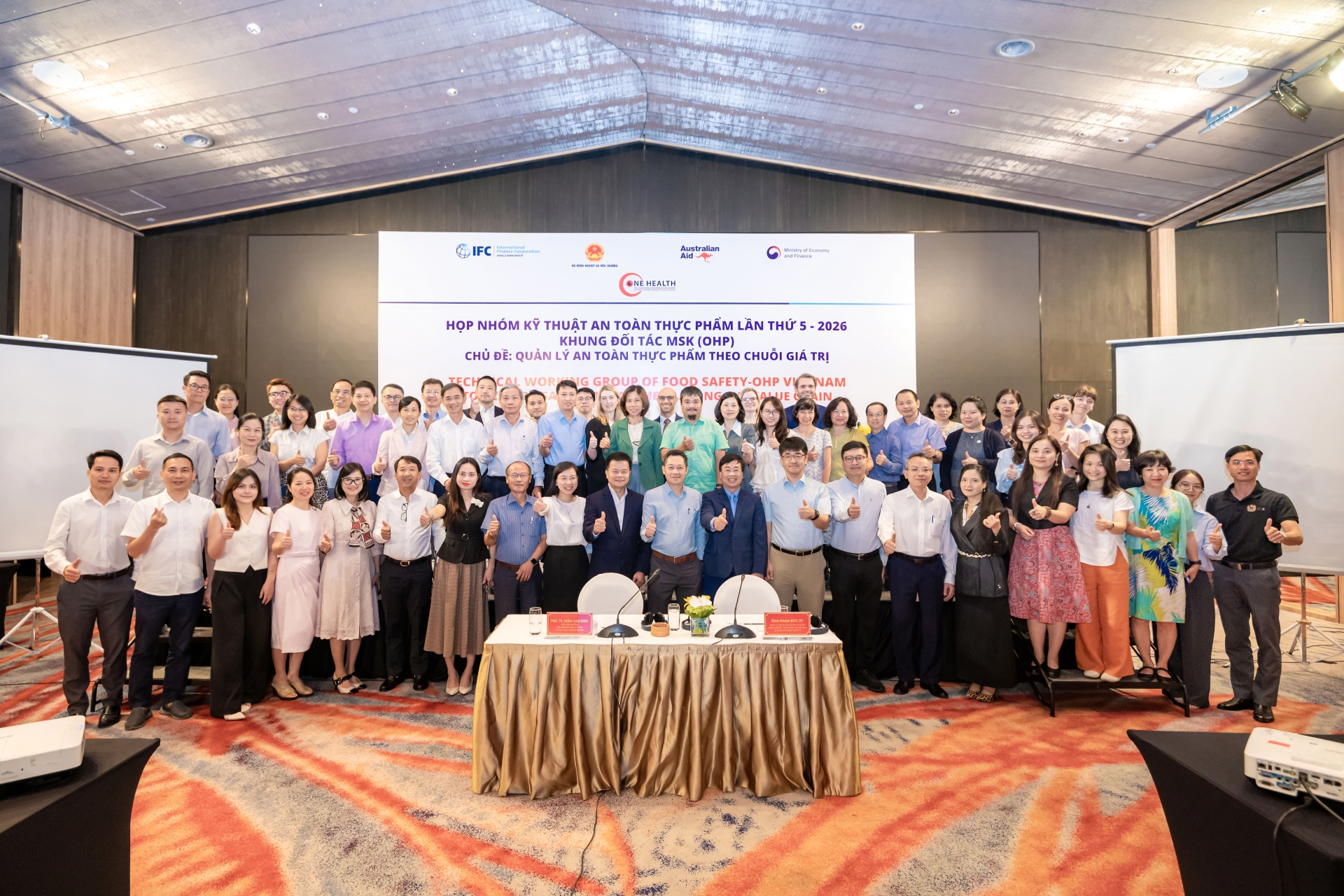
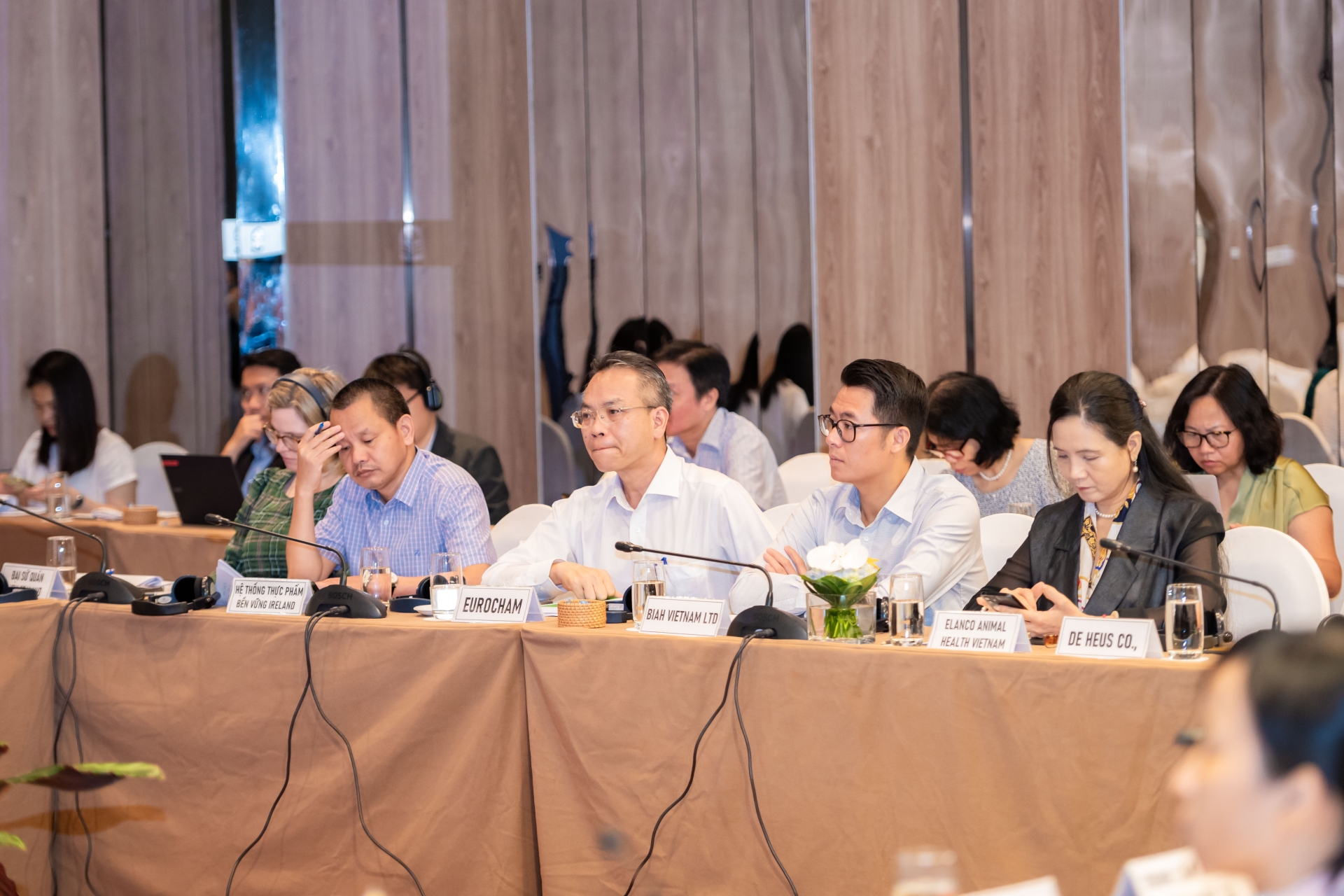
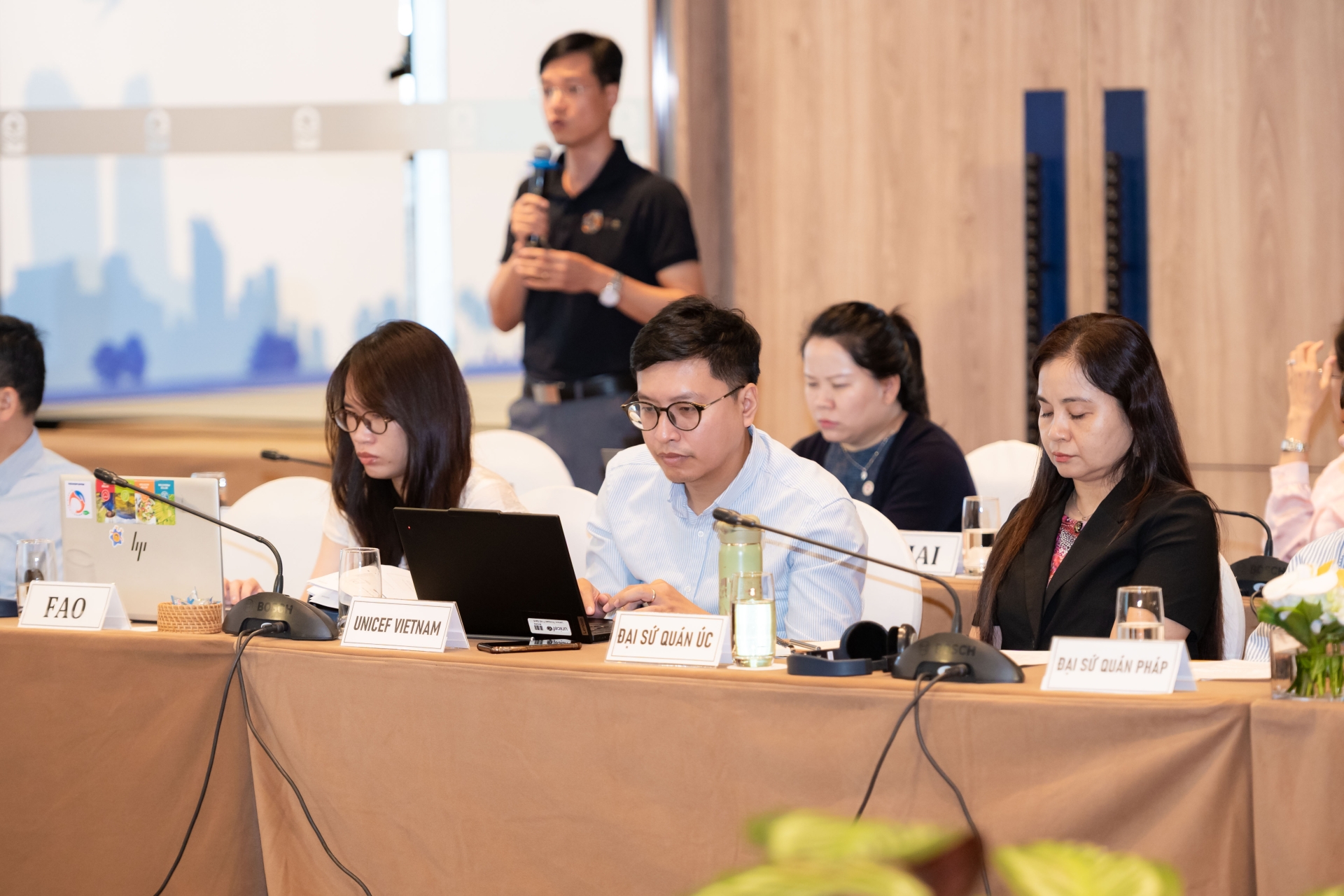
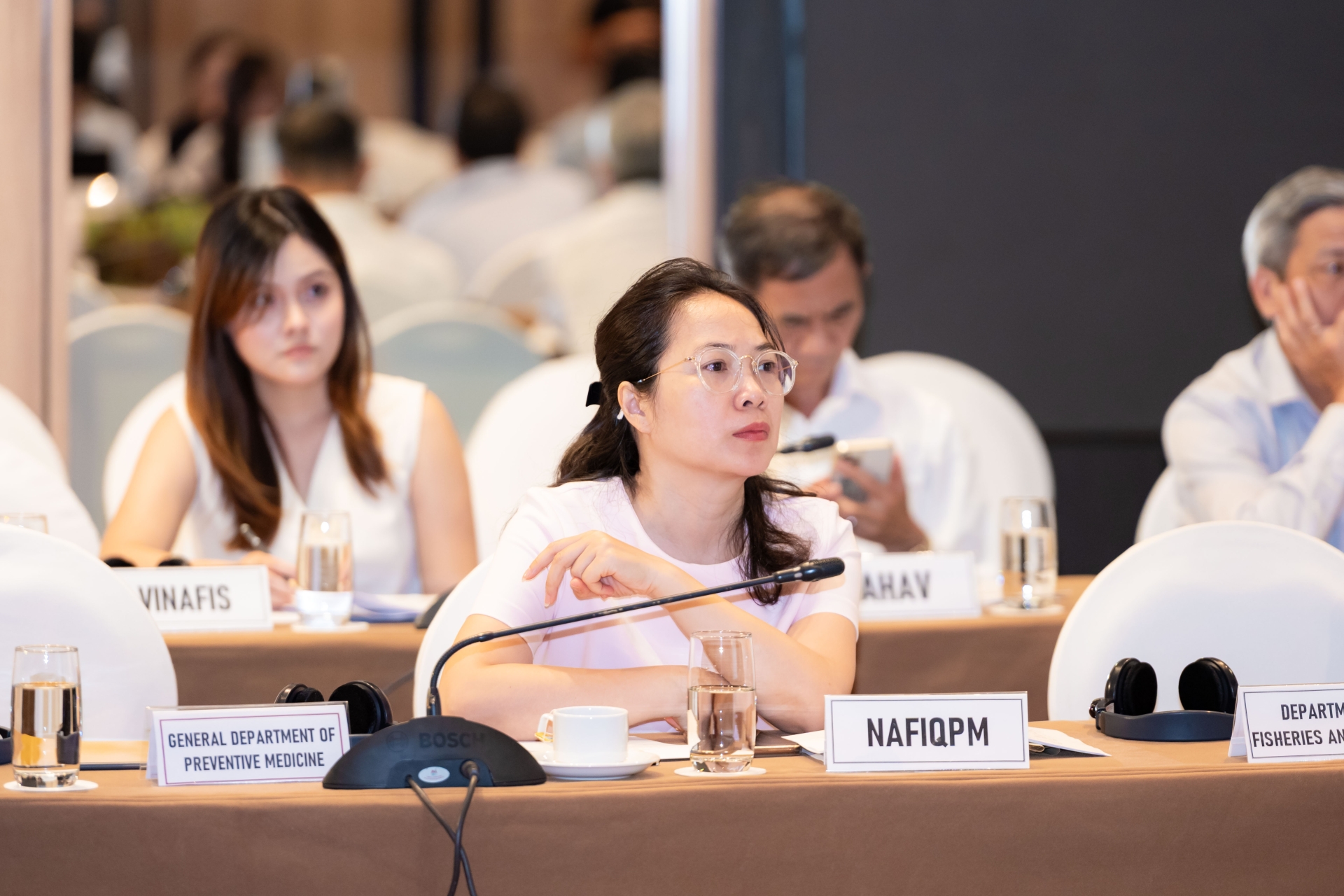
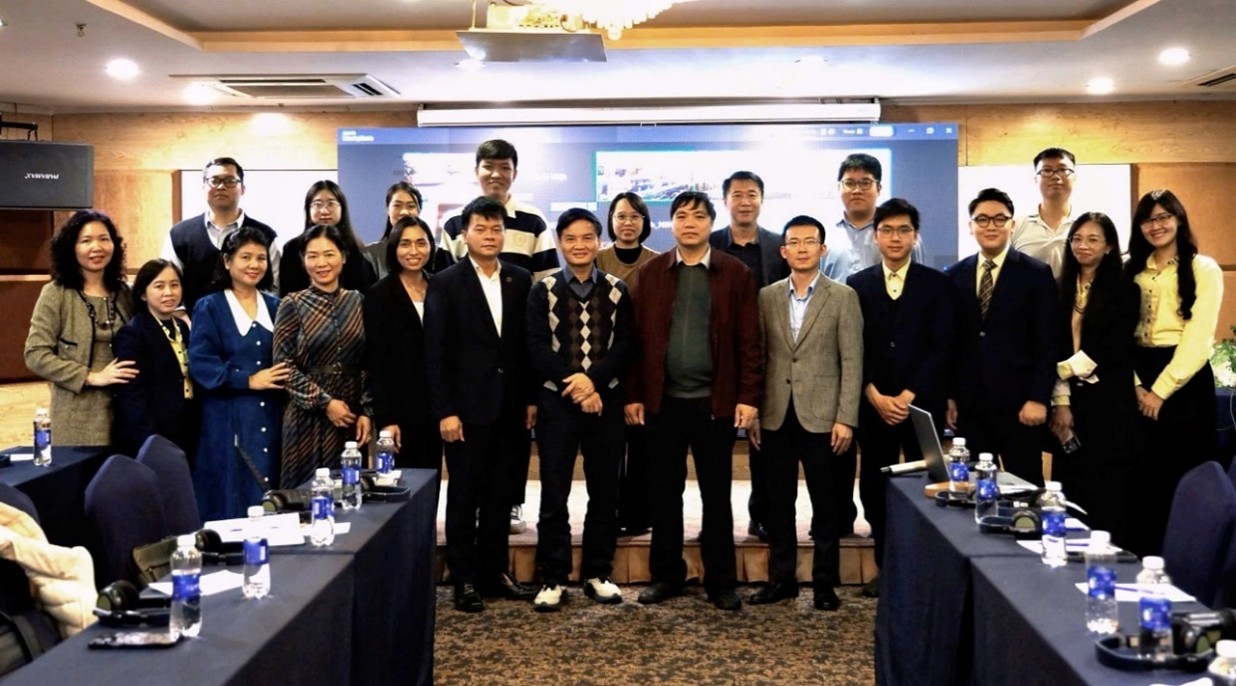
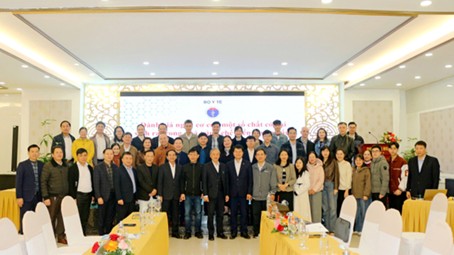
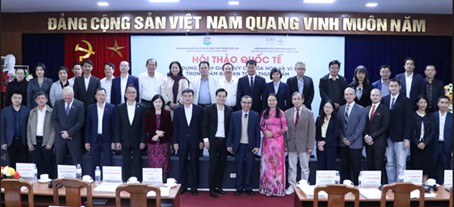
Delegates attending the 5th Food Safety Technical Working Group (FSTWG) meeting
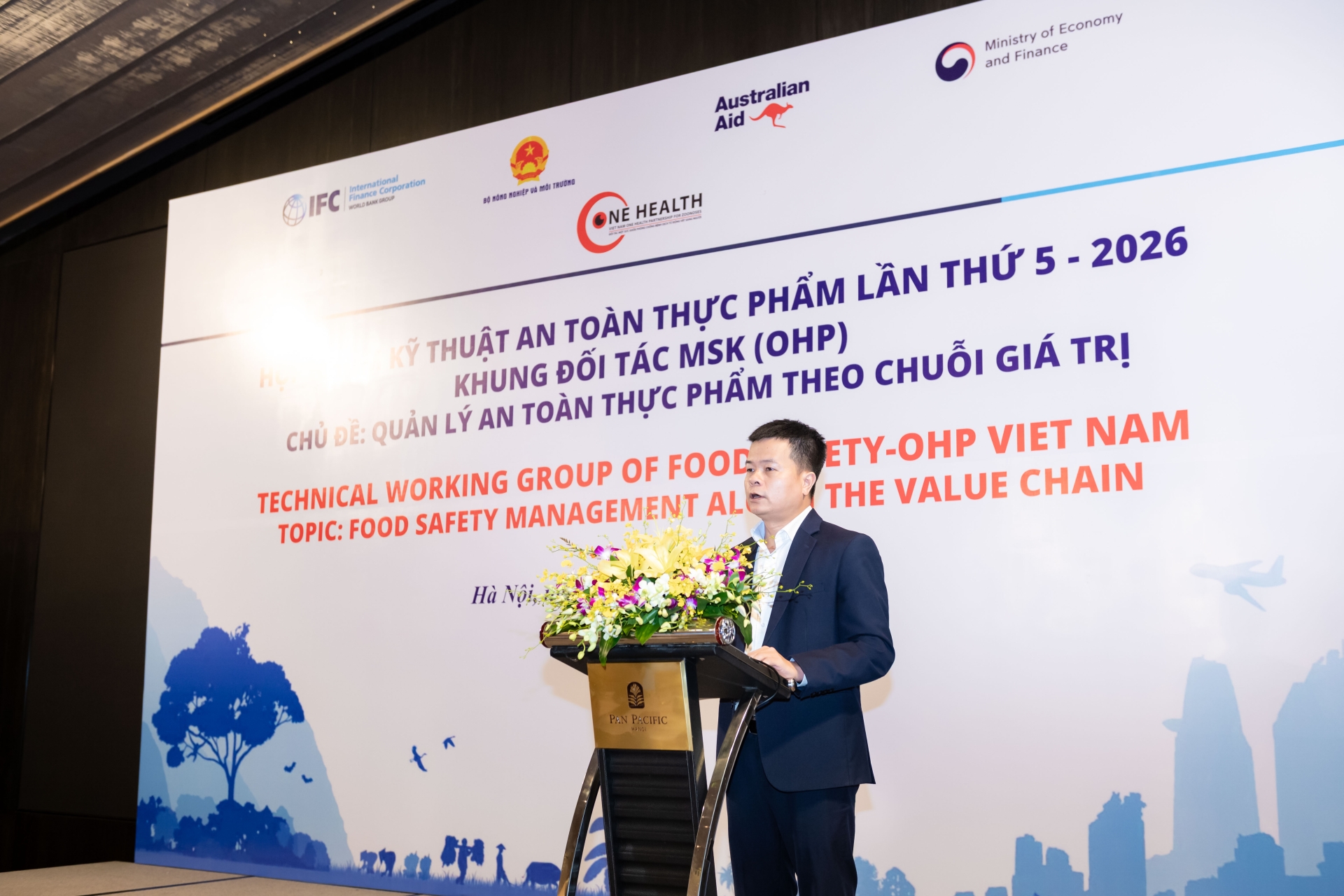
Co-chairing the meeting, Assoc. Prof. Dr. Tran Cao Son, Deputy Director of the National Institute for Food Control (NIFC), and Mr. Pham Duc Uy, International Finance Corporation (IFC)
In the opening remarks, Assoc. Prof. Dr. Tran Cao Son emphasized that food safety is a foundational element for protecting public health, driving socio-economic growth, and enhancing the competitiveness of the national food sector. Given the increasing complexity of modern risks, he stressed the urgent need for a paradigm shift from end-product testing to science-based risk management across the entire value chain.
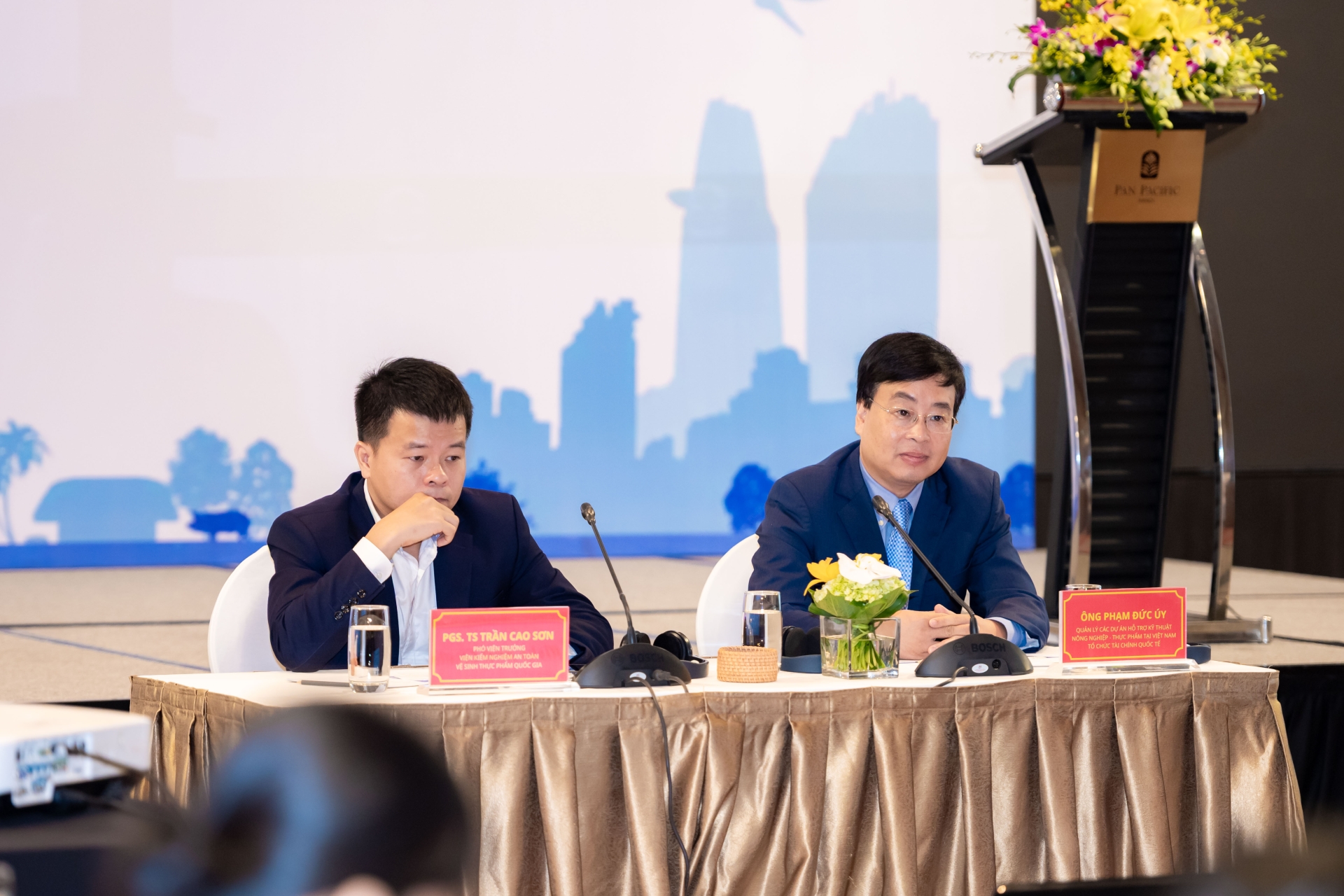
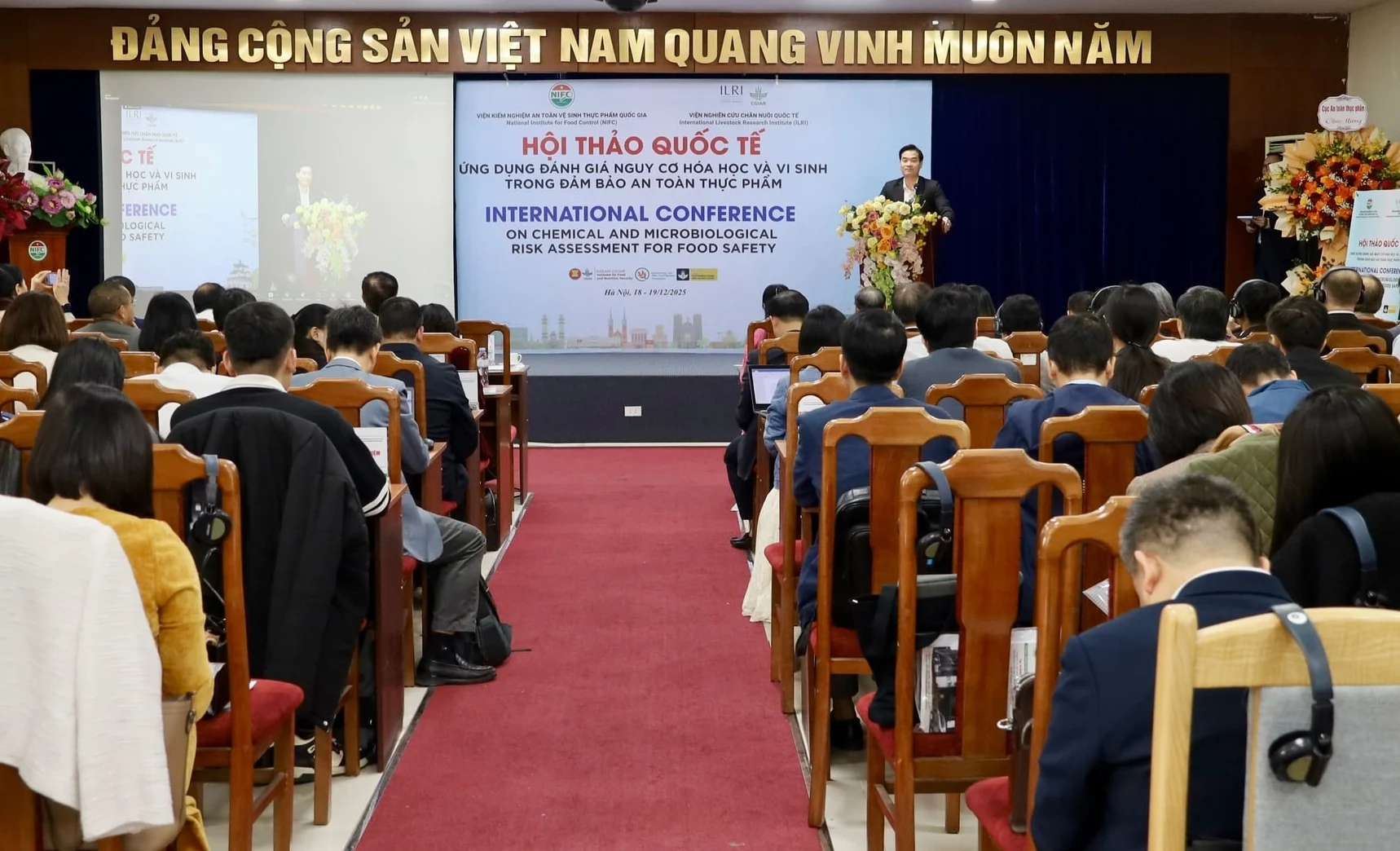
Assoc. Prof. Dr. Tran Cao Son, Deputy Director of the National Institute for Food Control, delivered the opening speech
To address these challenges, delegates attended and discussed in-depth presentations from international partners and specialized agencies. Representatives from the International Livestock Research Institute (ILRI) and the European Chamber of Commerce in Vietnam (EuroCham) analyzed emerging risks and effective chain-linkage models designed to optimize the production and consumption of safe food. Furthermore, digital transformation solutions - including the application of QR codes, barcodes, and electronic data platforms - were introduced by the Department of Digital Transformation as critical tools for enhancing supply chain transparency, thereby enabling authorities and businesses to promptly isolate and address food safety incidents.
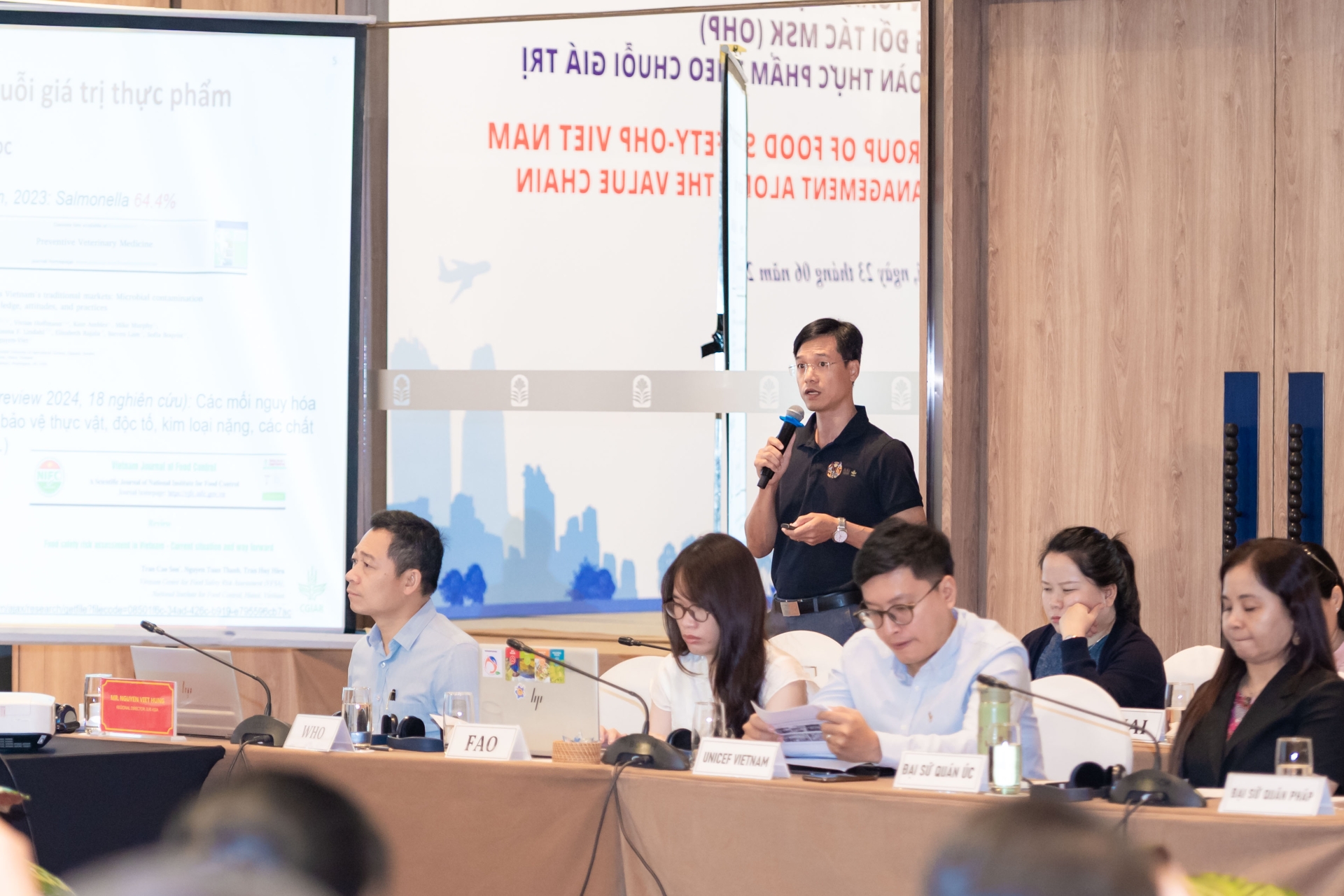
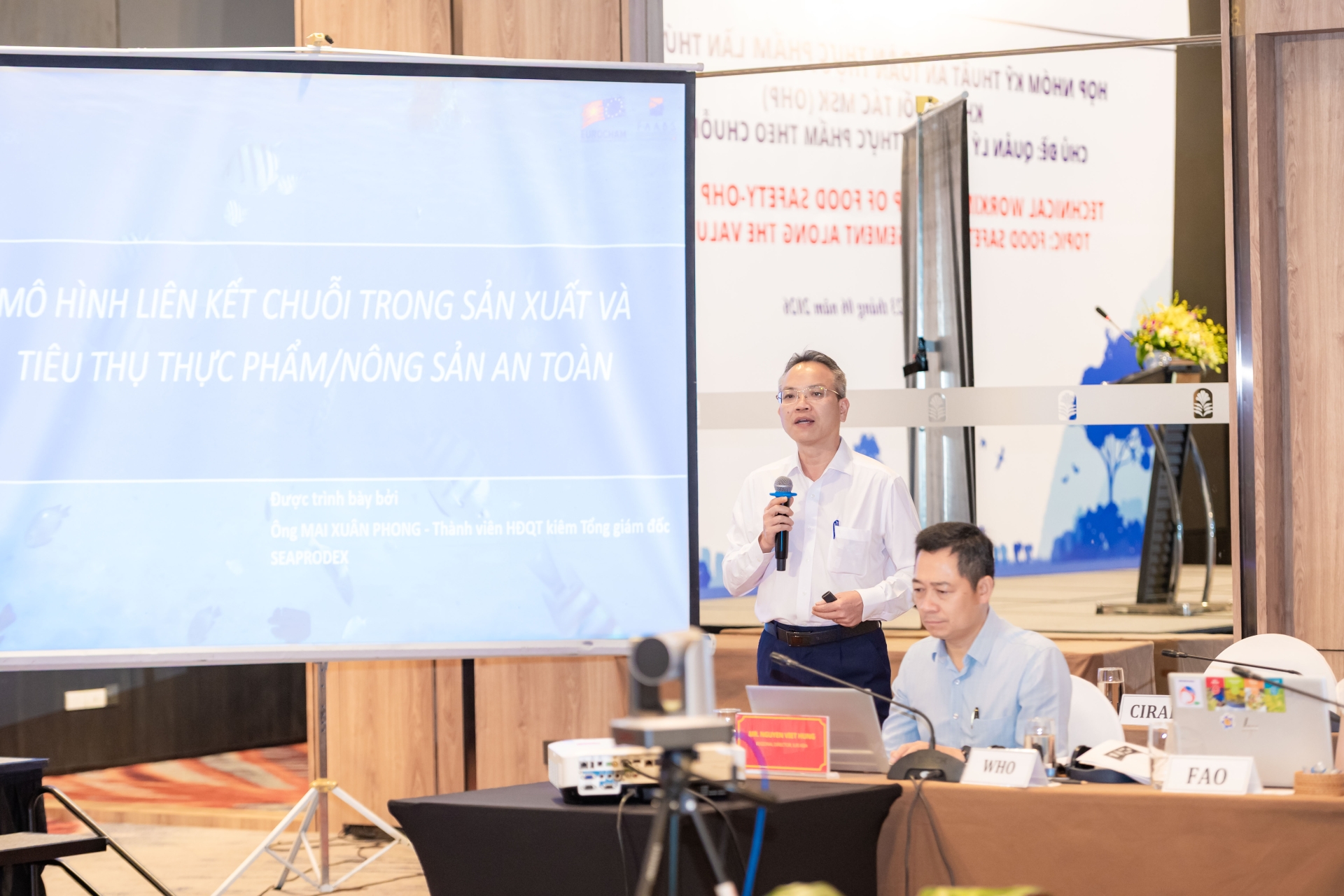
Presentations from the International Livestock Research Institute (ILRI), the European Chamber of Commerce in Vietnam (EuroCham), and the Department of Digital Transformation of the Ministry of Agriculture and Environment
During the meeting, MSc. Nguyen Tuan Thanh, who represented the Vietnam Center for Food Safety Risk Assessment (VFSA), presented the latest findings from the risk assessment of chemical and microbiological hazards carried out by VFSA. He also discussed plans for enhancing risk assessment capabilities, carrying out risk assessment research, and specifically aiming to conduct the country's first Total Diet Study (TDS).
MSc. Nguyen Tuan Thanh, representative of the Vietnam Center for Food Safety Risk Assessment, National Institute for Food Control, spoke at the meeting
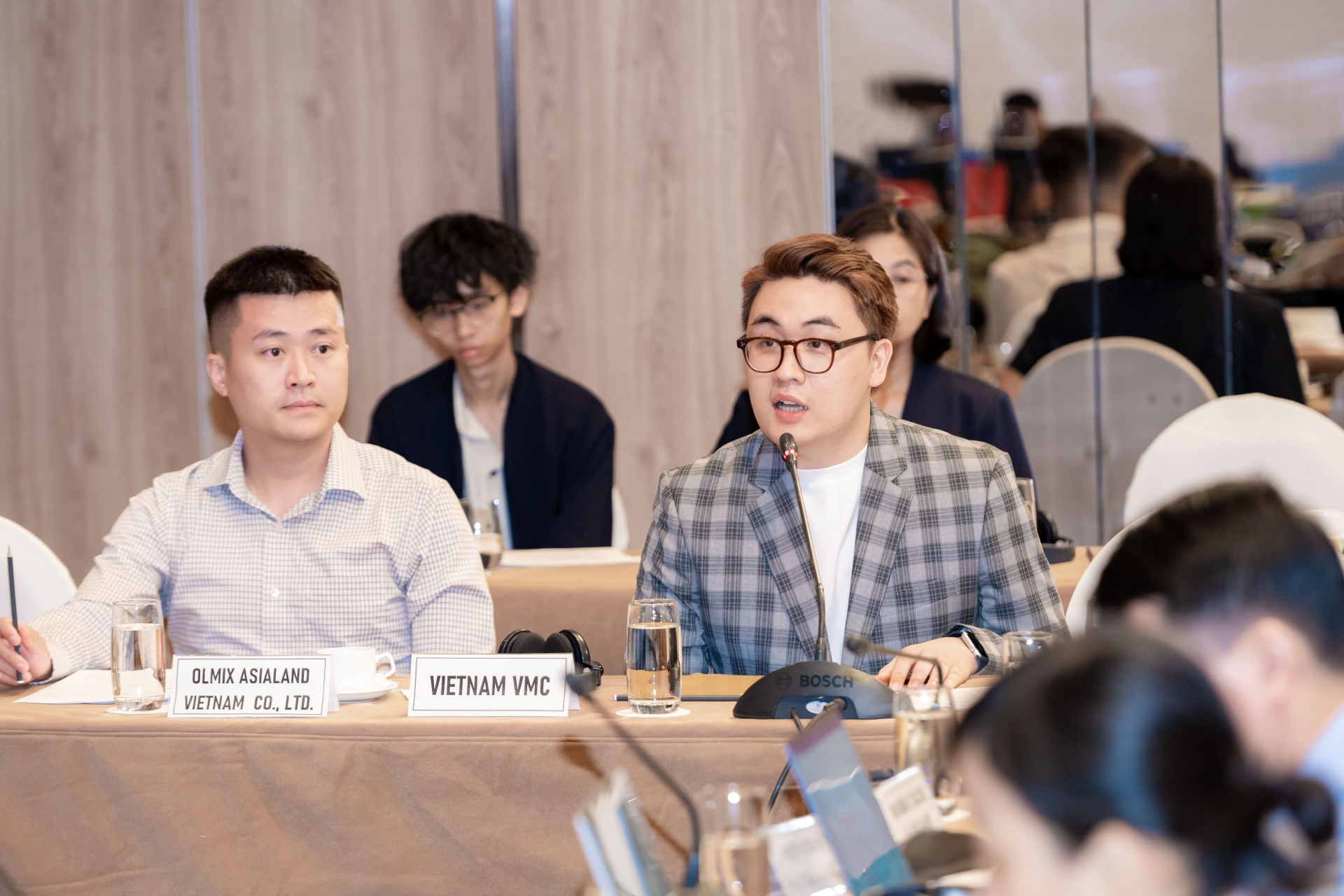
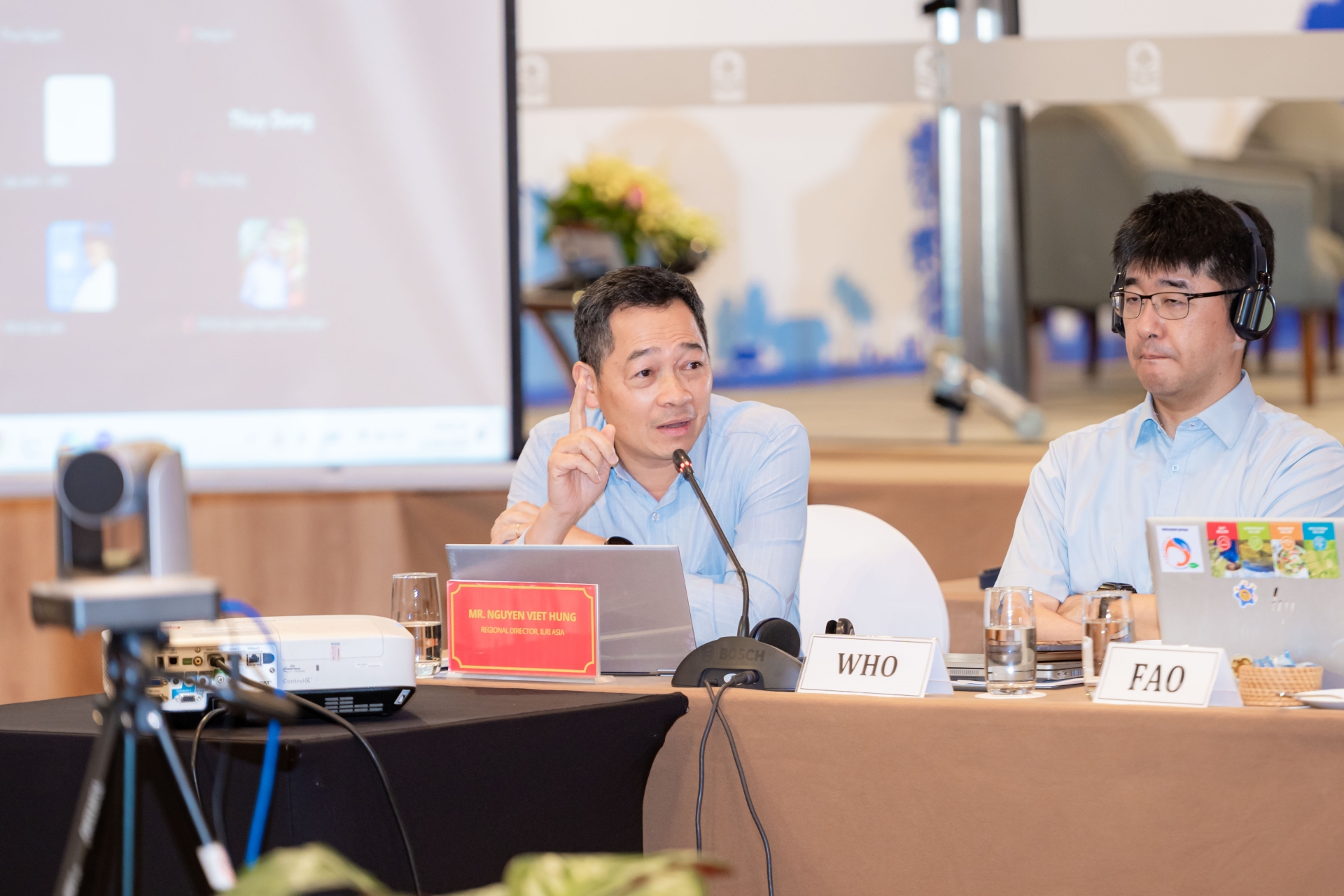
The program included a roundtable discussion entitled "From Farm to Table: Strengthening Traceability and Value-Chain Collaboration for Food Safety Risk Management," which featured candid contributions from regulatory bodies, industry associations, and businesses. Highlighting the interdisciplinary nature of the issue, Dr. Nguyen Viet Hung, ILRI Regional Director for Asia, noted that food-borne risks do not respect the boundaries between humans, animals, and the environment. Consequently, he emphasized that adopting a One Health approach and implementing interdisciplinary data sharing are essential prerequisites for sustainable development. During the discussion, Dr. Son also explicitly identified key obstacles currently facing traceability in Vietnam, including fragmented and small-scale agricultural production, supply chain disruptions caused by overlapping ministerial jurisdictions, and a lack of information transparency, which diminishes consumer confidence. He argued that unless these bottlenecks are resolved, the food system cannot achieve sustainable development.
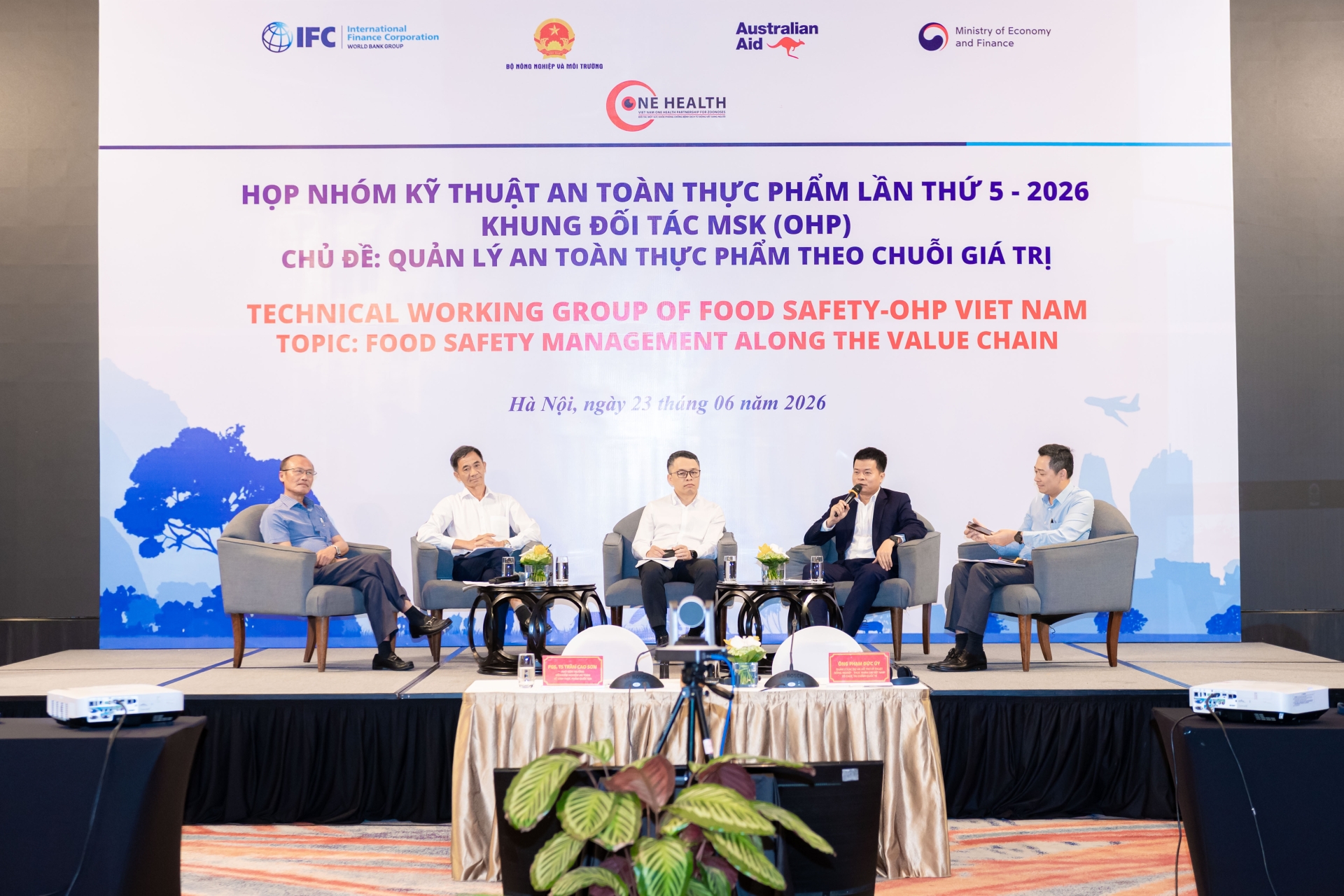
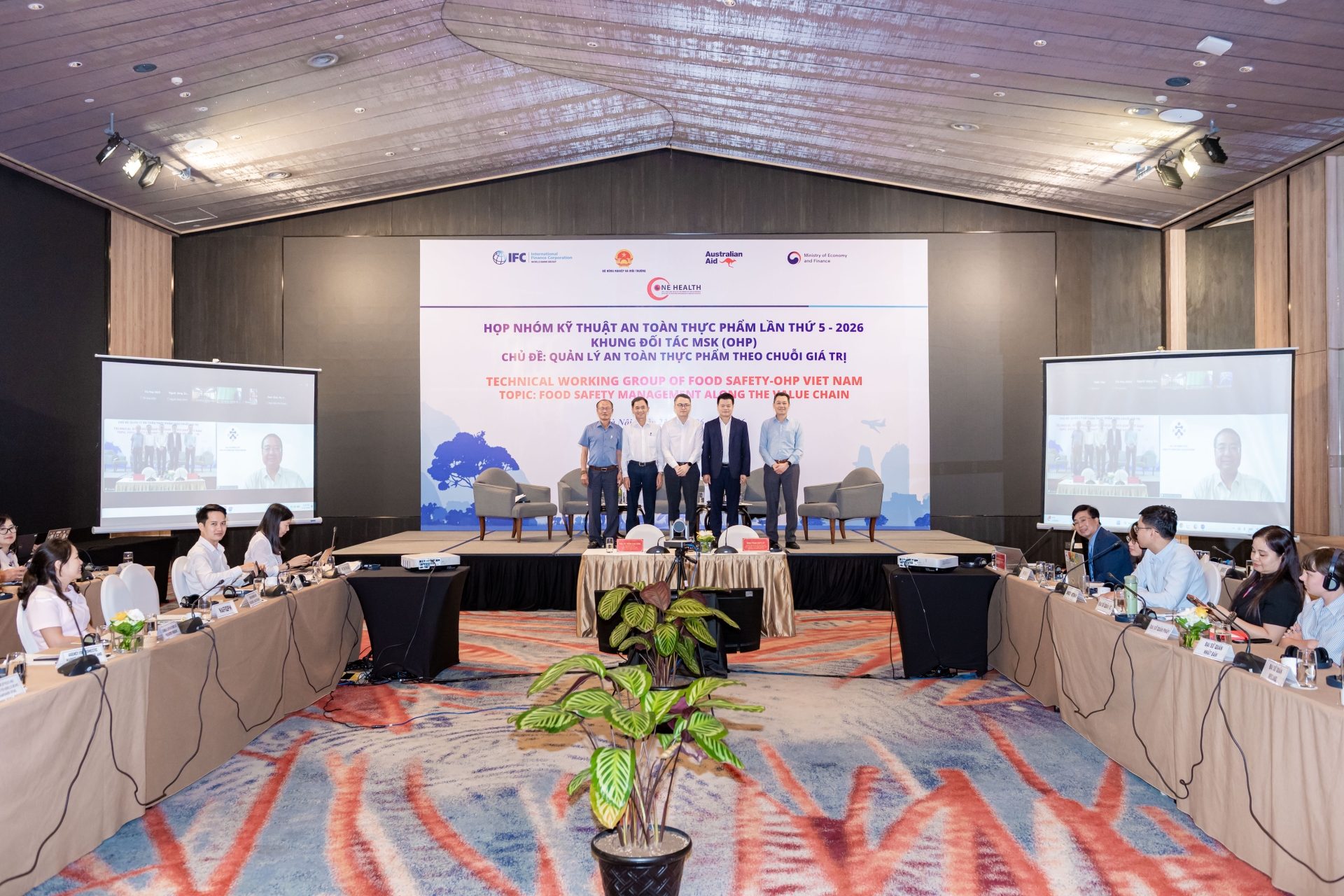
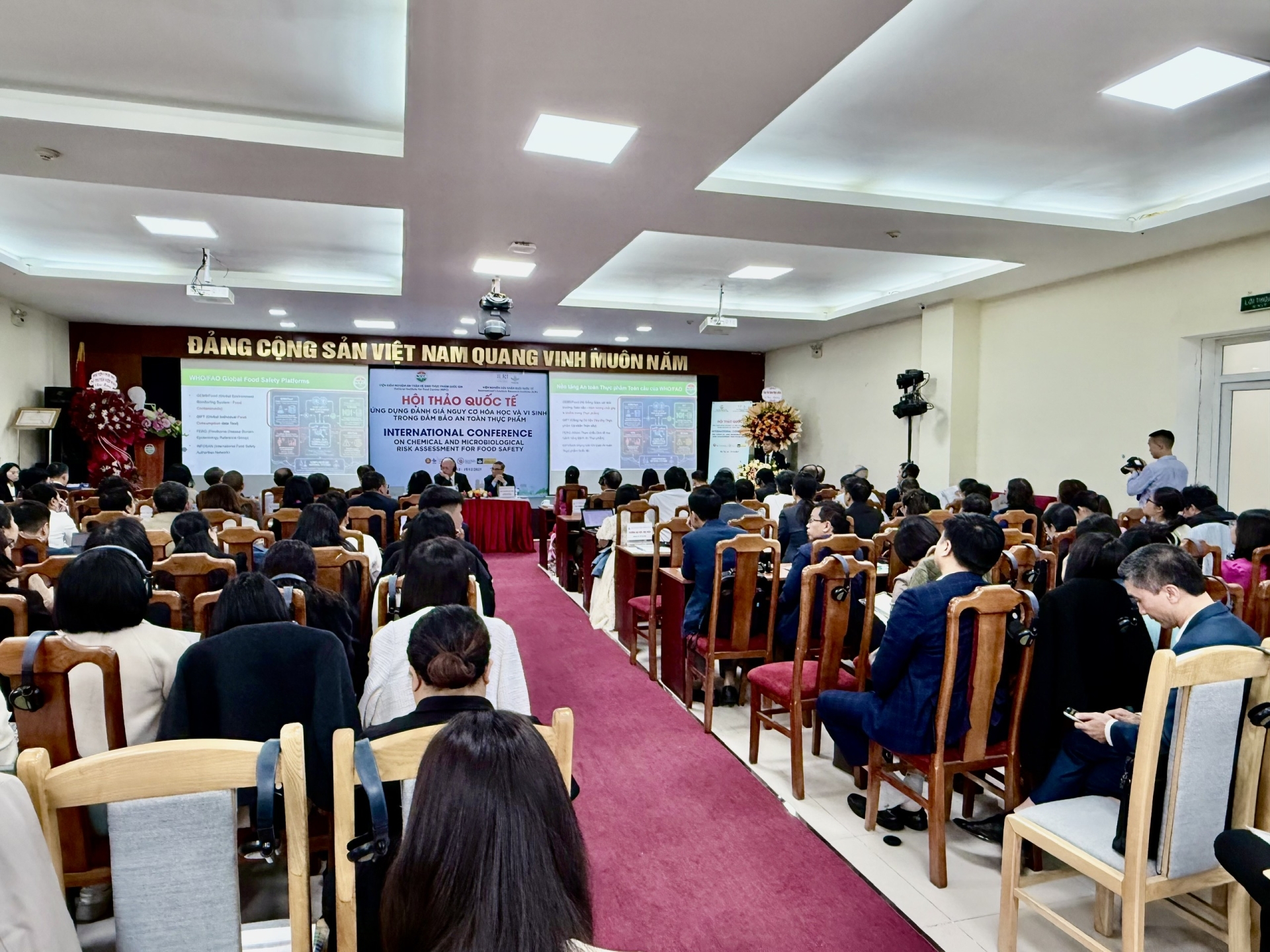
Roundtable discussion session with the theme "From Farm to Table: Strengthening Traceability and Value-Chain Collaboration for Food Safety Risk Management"
In the closing remarks, Assoc. Prof. Dr. Tran Cao Son reaffirmed that while traceability and digital transformation are vital tools, the core of the food safety system must remain rooted in science-based risk management and the rigorous compliance of all actors within the value chain. He emphasized three priorities that need to be implemented in the immediate future: enhancing risk assessment, monitoring, and early warning capabilities based on scientific evidence; promoting the development of safe food value chains; and strengthening data sharing, digital transformation, and traceability.
The 5th FSTWG meeting successfully reaffirmed the pivotal role of NIFC and the OHP framework as essential bridges for shaping policy, sharing knowledge, and fostering practical actions aimed at protecting public health and building a safe and transparent food system in Vietnam.
Photos from the event:
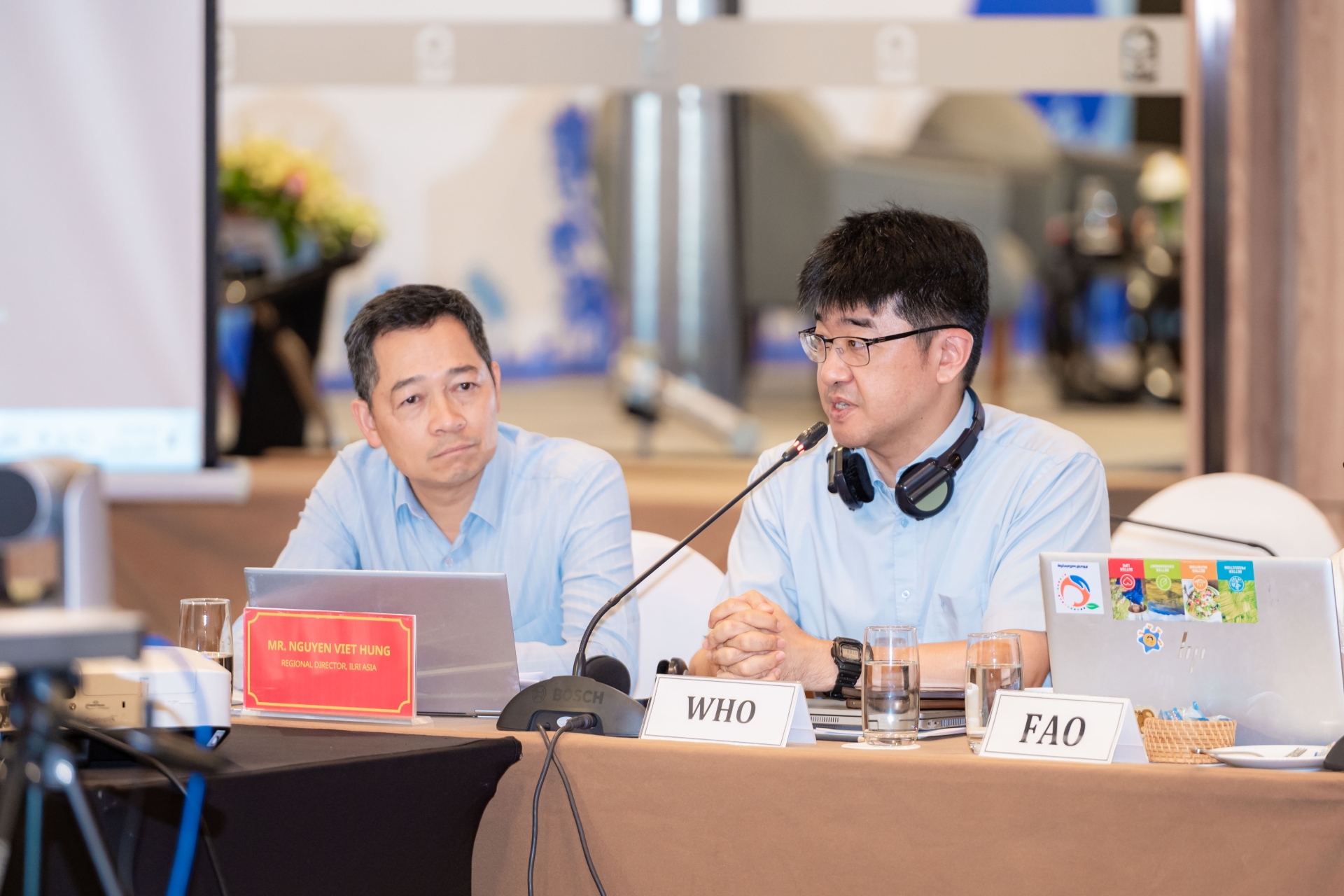
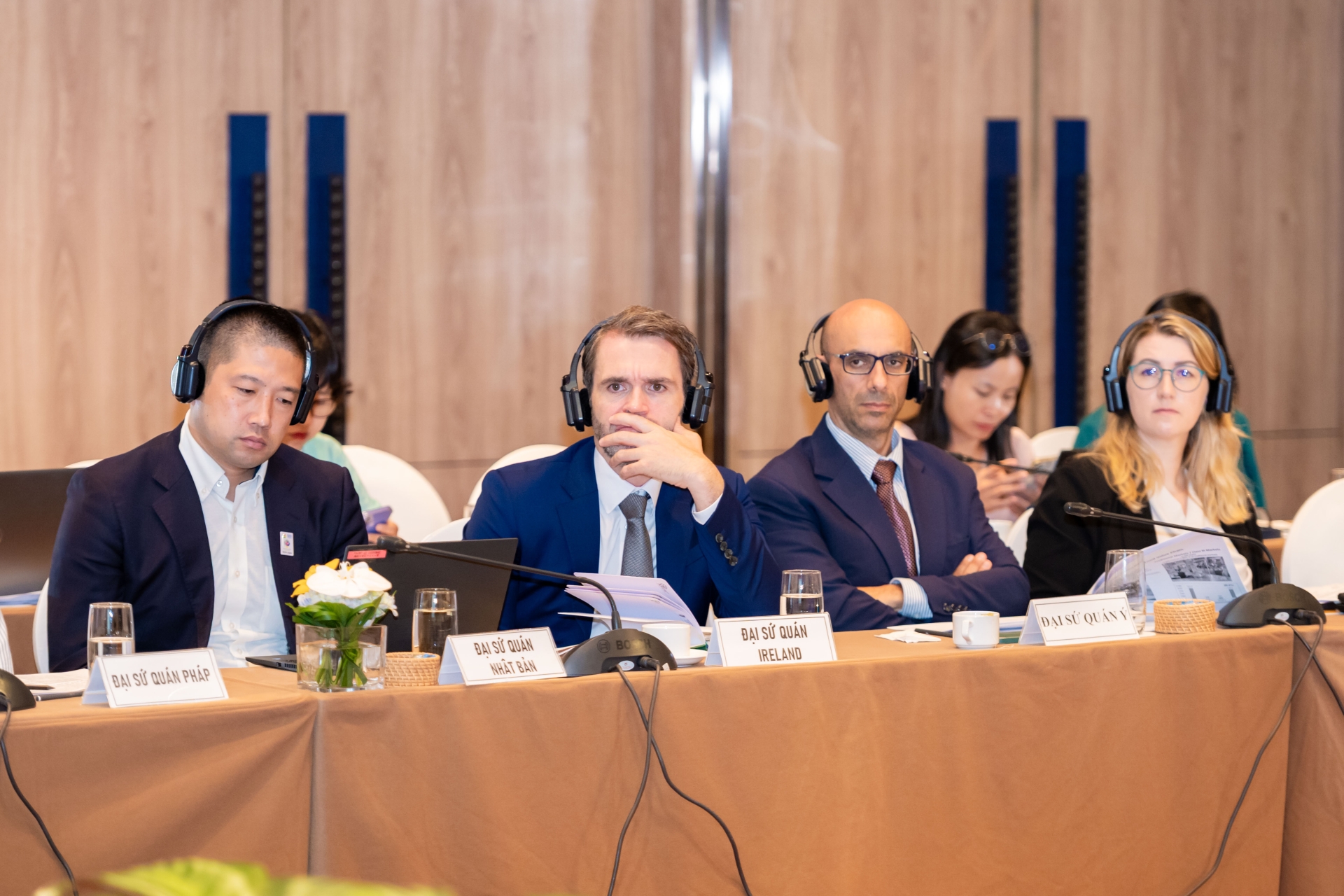
Written by: Nguyen Tuan Thanh, Vietnam Center for Food Safety Risk Assessment

.jpg)
.png)

.png)