Strengthening risk assessment, improving food safety data systems, and contributing to the protection of public health.

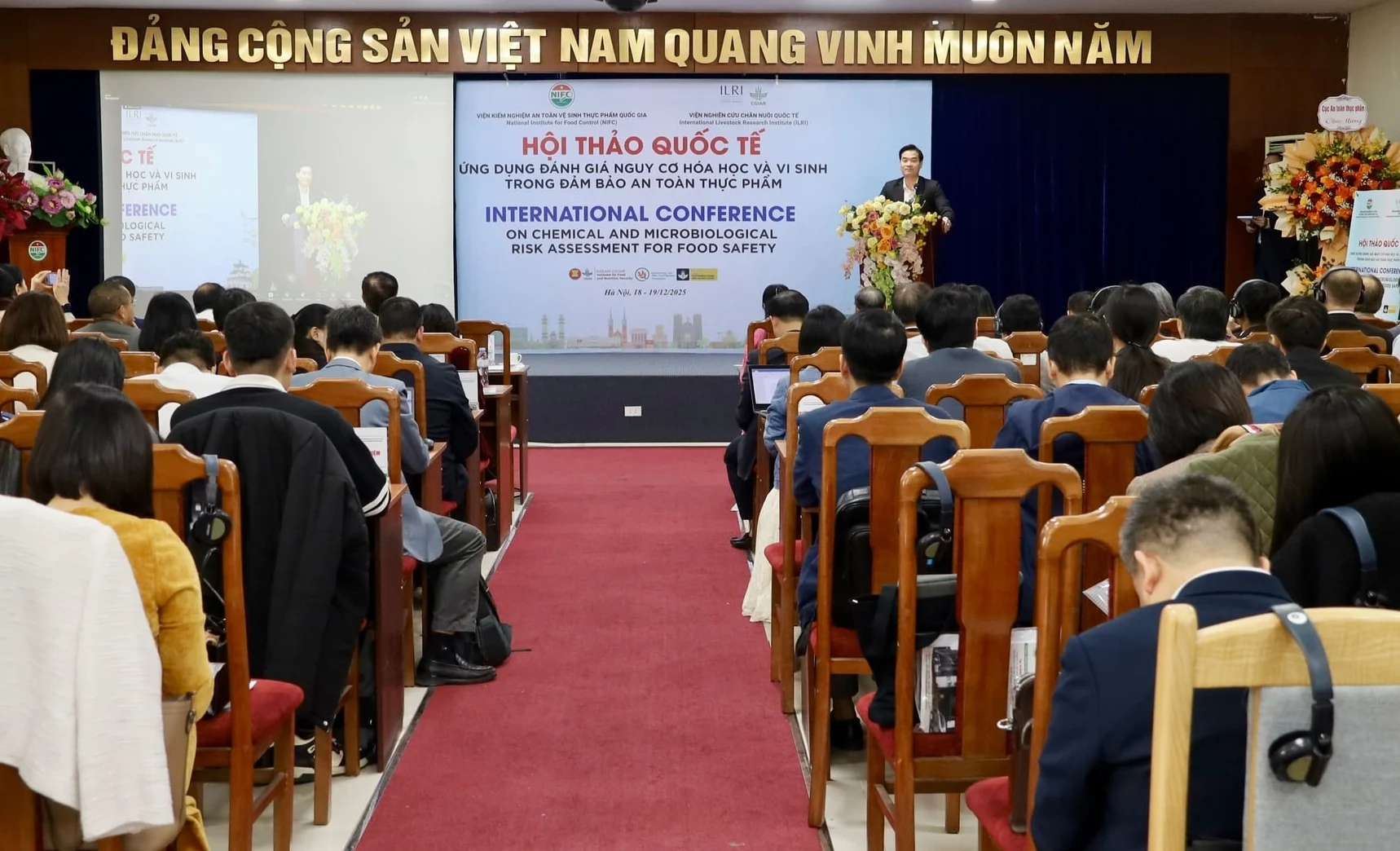
On December 18, the National Institute for Food Control (NIFC), in collaboration with the International Livestock Research Institute (ILRI), held the International Workshop “Applying Chemical and Microbiological Risk Assessment to Ensure Food Safety.”
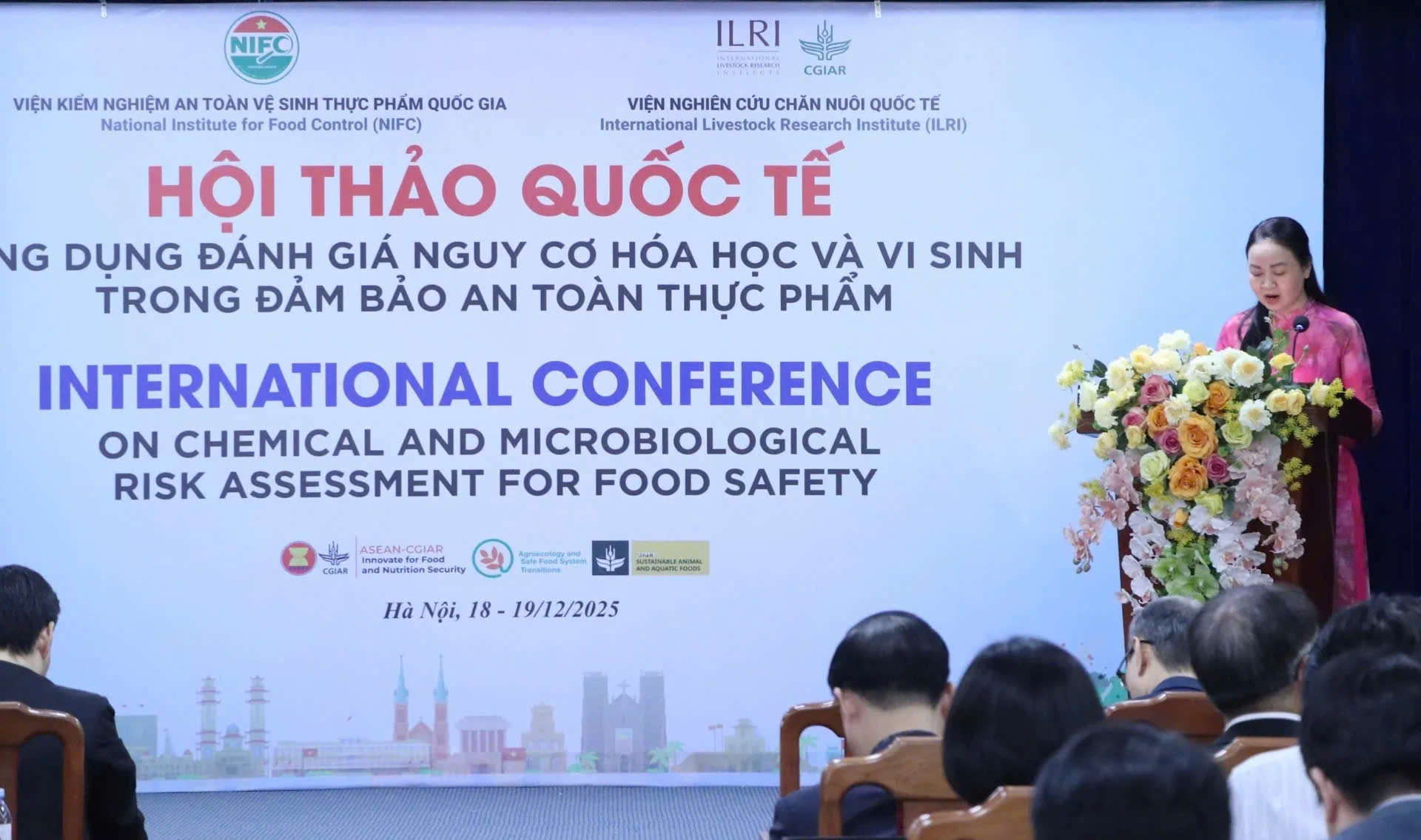
Assoc. Prof. Dr. Lê Thị Hồng Hảo – Director of the National Institute for Food Control – delivers a speech. Photo: PL.
The workshop was attended by managers and leading scientists in the fields of food testing and risk assessment from research institutes, universities, and scientific organizations. The event aimed to introduce approaches and methods for food safety risk assessment, as well as to share research findings, experiences, and practical applications in food safety risk assessment in Vietnam and internationally.
Food safety risk assessment faces many limitations due to fragmented data systems
Speaking at the workshop, Assoc. Prof. Dr. Lê Thị Hồng Hảo, Director of the National Institute for Food Control, emphasized that food safety has been and continues to be a major concern of society. Proactive prevention and comprehensive control of potential hazards throughout the entire chain from production to consumption is an urgent and strategic requirement.
“In response to this need, the development and implementation of chemical and microbiological risk assessment studies based on modern, accurate, and effective scientific evidence are considered one of the most effective and feasible tools. The results of these studies provide valuable scientific information on food safety hazards, thereby strongly supporting and forming the foundation for risk-based food safety management,” she stated.
The Director of the National Institute for Food Control also emphasized that the workshop offers participants an opportunity to meet and share experiences, thereby strengthening research, training, cooperation, and scientific exchange related to food safety and risk assessment.
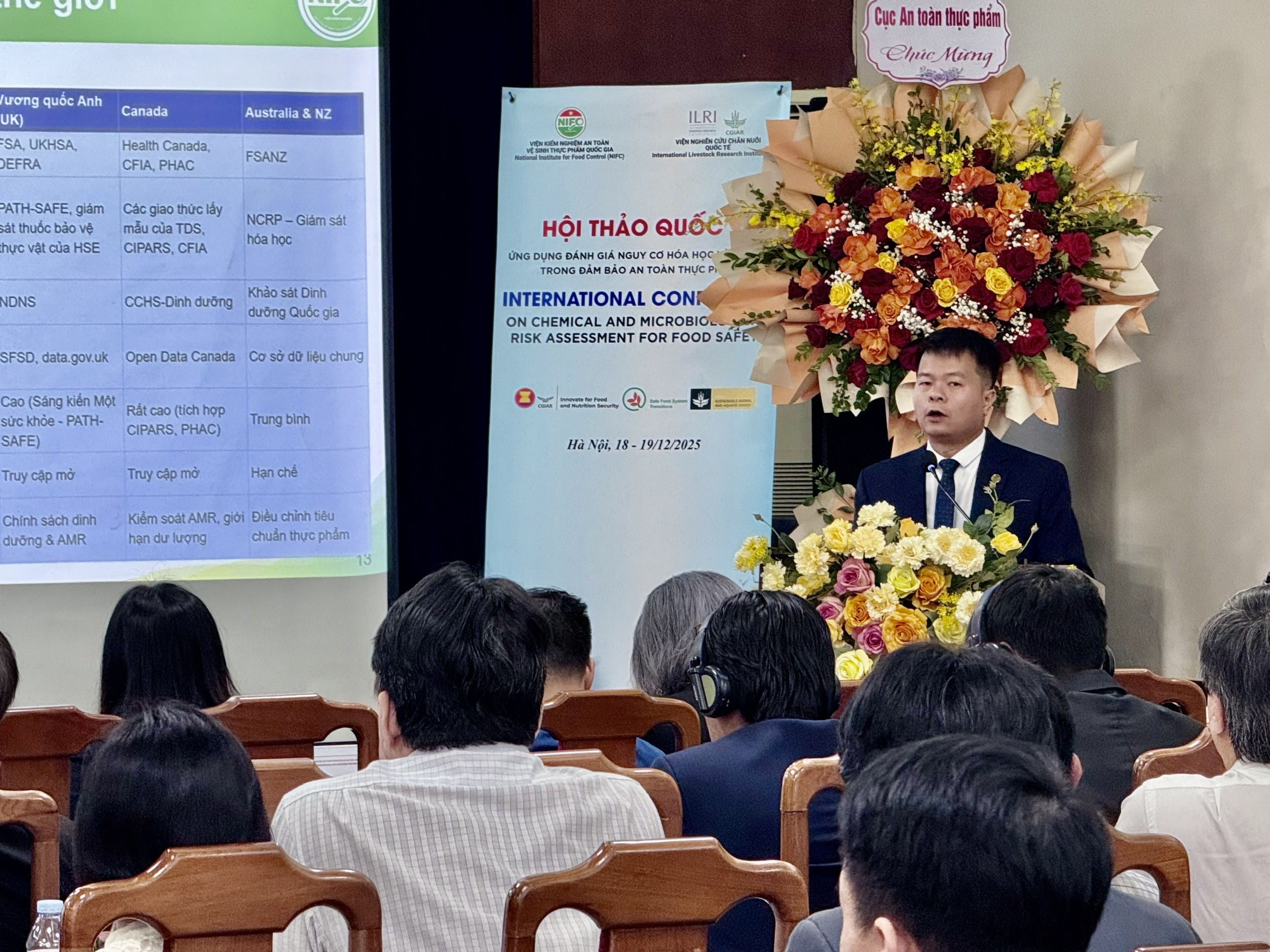
Dr. Trần Cao Sơn – Deputy Director of the National Institute for Food Control – presents a scientific report at the workshop.
In his presentation on data digitalization for food safety risk assessment based on international practice and recommendations for Viet Nam, Dr. Trần Cao Sơn, on behalf of the research team, stated that food safety risk assessment in Viet Nam still faces many limitations due to fragmented data systems, lack of standardization, and limited data sharing, despite the availability of large volumes of data generated from laboratories and monitoring programs.
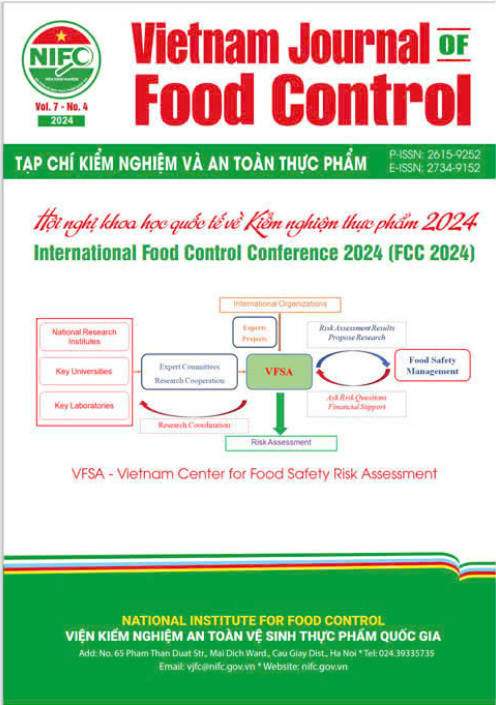
Most datasets are rarely digitized or shared among ministries, sectors, and local authorities, which reduces their usability for data-driven policy making. The establishment of the Food Safety Risk Assessment Center (VFSA) under the National Institute for Food Control in July 2024 represents an important organizational step toward a scientific approach aligned with international standards.
The study aims to propose a digital transformation model for managing food safety risk data in Viet Nam. Key outcomes include a proposal for a standardized data framework for food safety hazards, the design of a digital platform suited to Viet Nam’s institutional context, and a pilot implementation plan at the National Institute for Food Control, with an initial focus on integrating food safety data within the health sector. These recommendations form foundational steps to improve data availability, quality, governance, and usability for timely and transparent food safety risk assessment in Viet Nam.
Accelerating the completion of the national food safety database system
Dr. Chu Quốc Thịnh, PharmD – Acting Director General of the Food Safety Department (Ministry of Health) – stated that the Department is urgently drafting a revised Food Safety Law to be submitted to the National Assembly at its first session of the 16th term.
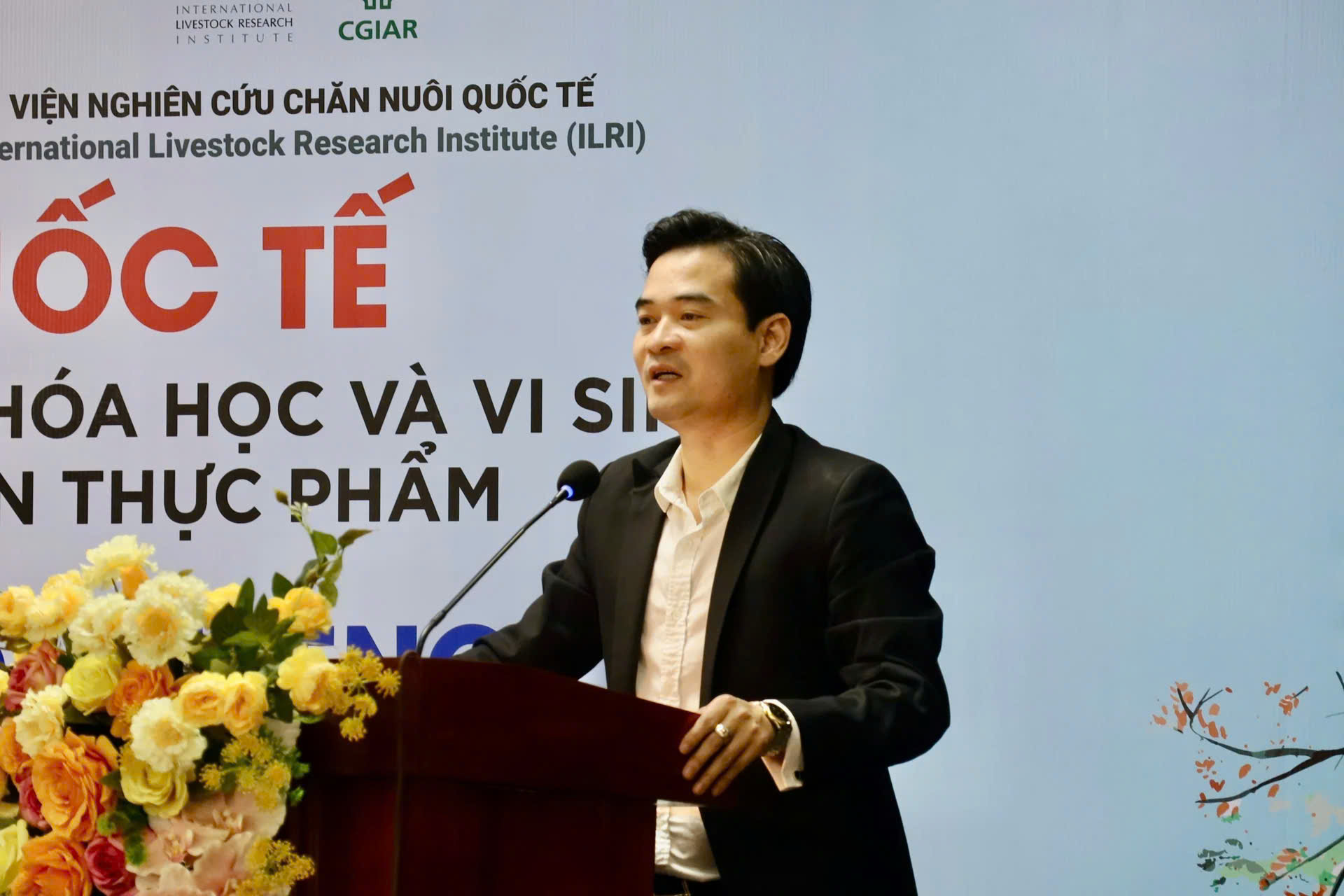
PharmD Chu Quốc Thịnh – Acting Director General of the Food Safety Department. Photo: PL.
To address existing legal gaps, the Government will soon issue new decrees to replace Decree 15, marking a shift from conventional safety management toward risk-based quality management.
Dr. Thịnh added that the national food safety database system is being rapidly finalized, integrating 98 administrative procedures with Good Manufacturing Practice (GMP) management and food advertising oversight, ensuring consistent operation from central to local levels. At the same time, the review and revision of national technical regulations (QCVNs) is being carried out intensively, with 37 standards scheduled for amendment to establish a solid scientific basis for market surveillance.
Under this new approach, management will be implemented throughout the entire value chain “from farm to table,” with a focus on controlling agricultural input factors such as fertilizers and pesticide residues, while gradually applying advanced technologies in risk assessment.
“By strengthening local management structures and promoting the core role of the National Institute for Food Control, alongside the establishment of a transparent post-market inspection mechanism based on scientific evidence, public health protection can be enhanced,” Dr. Chu Quốc Thịnh affirmed.
According to Dr. Nguyễn Việt Hùng, Director of ILRI for Asia, the real burden of unsafe food is far more severe than previously projected. Productivity losses associated with foodborne diseases are estimated to cause economic losses of up to USD 115 billion, mainly affecting low- and middle-income countries.
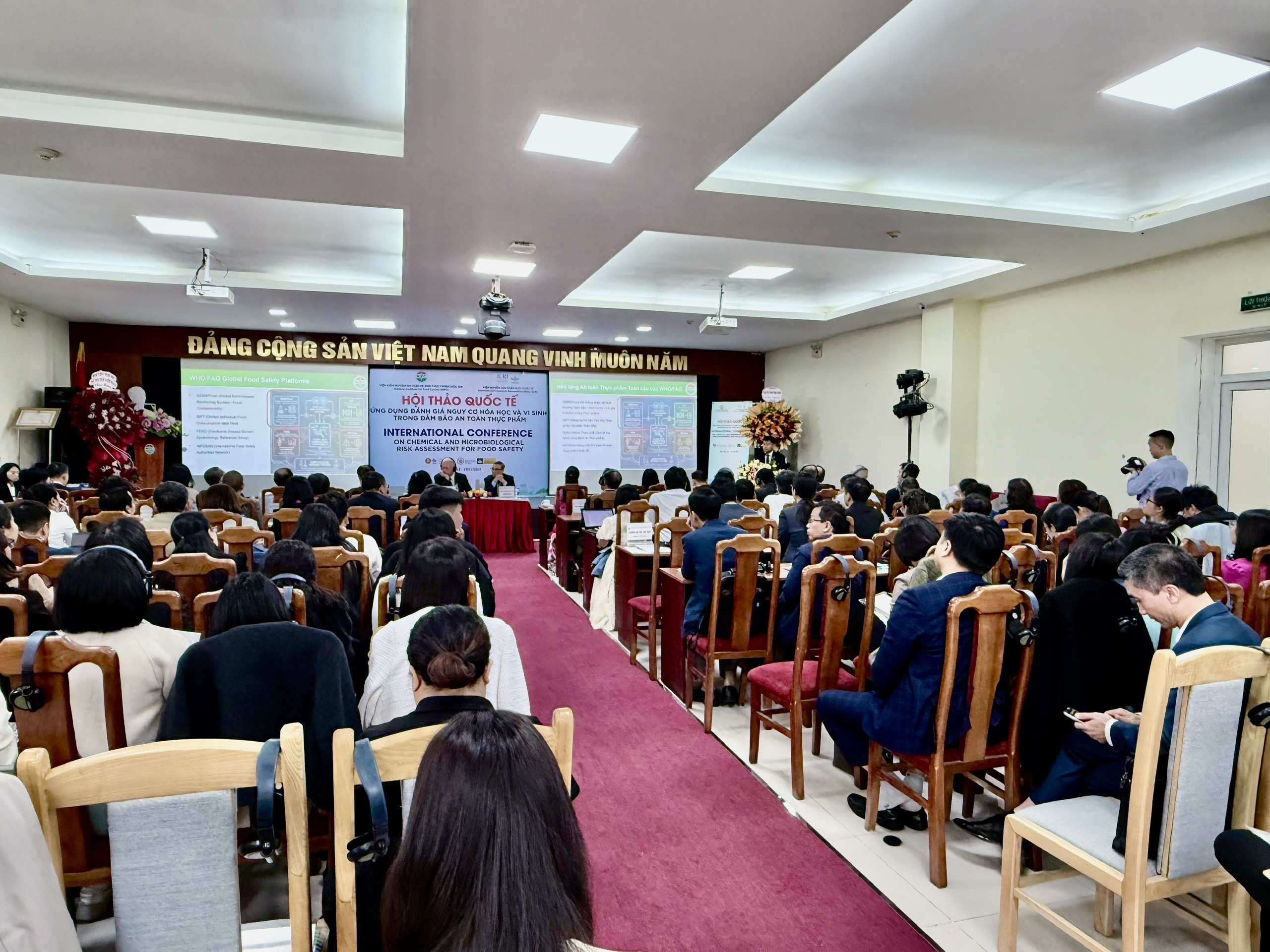
Overview of the workshop
Food-related diseases impose a disease burden comparable to that of the three major infectious diseases—HIV, tuberculosis, and malaria—with 95% of this burden concentrated in developing countries. Despite this, global investment resources, particularly for developing nations, remain disproportionate to the scale and severity of the problem.
“To achieve the goal that all Vietnamese agricultural, forestry, and fishery products have clear traceability by 2026, risk-based management is the key approach. We are committed to working closely with Vietnamese authorities to gradually realize these objectives,” Dr. Nguyễn Việt Hùng emphasized.
This workshop serves as an important preparatory step for the International Food Control Conference 2026 (FCC 2026), scheduled to take place in October 2026 in Hanoi. Through technical exchange and stakeholder engagement, the workshop contributes to shaping the content, themes, and cooperation directions of the upcoming international event. It also provides an opportunity for Viet Nam to strengthen its proactive role in the global food control field.
In addition to four scientific sessions featuring expert discussions on key food control topics, the workshop included poster presentations, with five minutes for presentation and five minutes for questions.
BArticle and photos: Thái Bình – Sức khỏe & Đời sống
Source: https://suckhoedoisong.vn/day-manh-danh-gia-nguy-co-hoan-thien-he-thong-co-so-du-lieu-ve-an-toan-thuc-pham-gop-phan-bao-ve-suc-khoe-cong-dong-169251218214531997.htm

.jpg)
.png)


.png)