Risk assessment enhances the effectiveness of food safety management

Risk assessment in food safety management not only protects public health but also supports sustainable development.
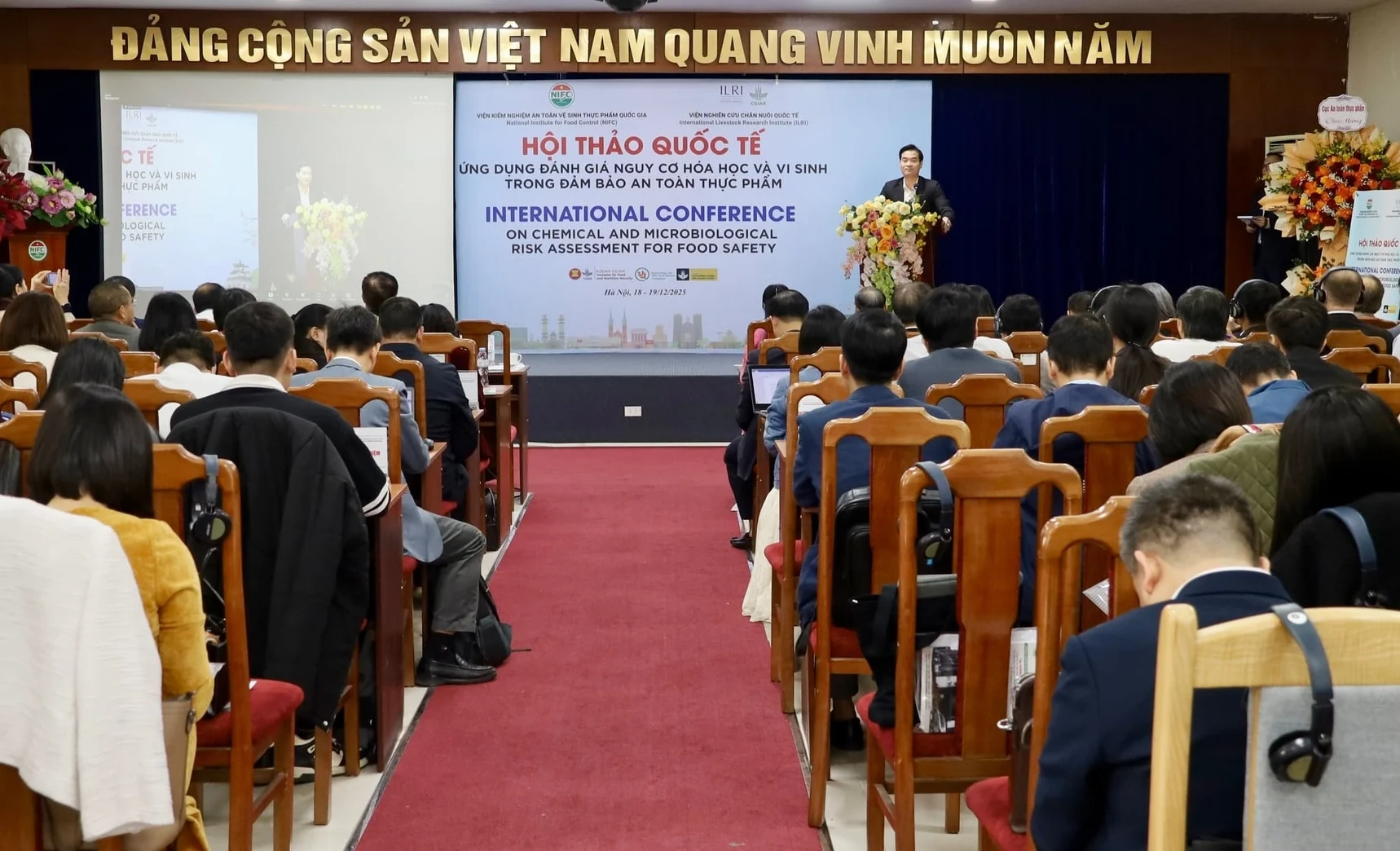
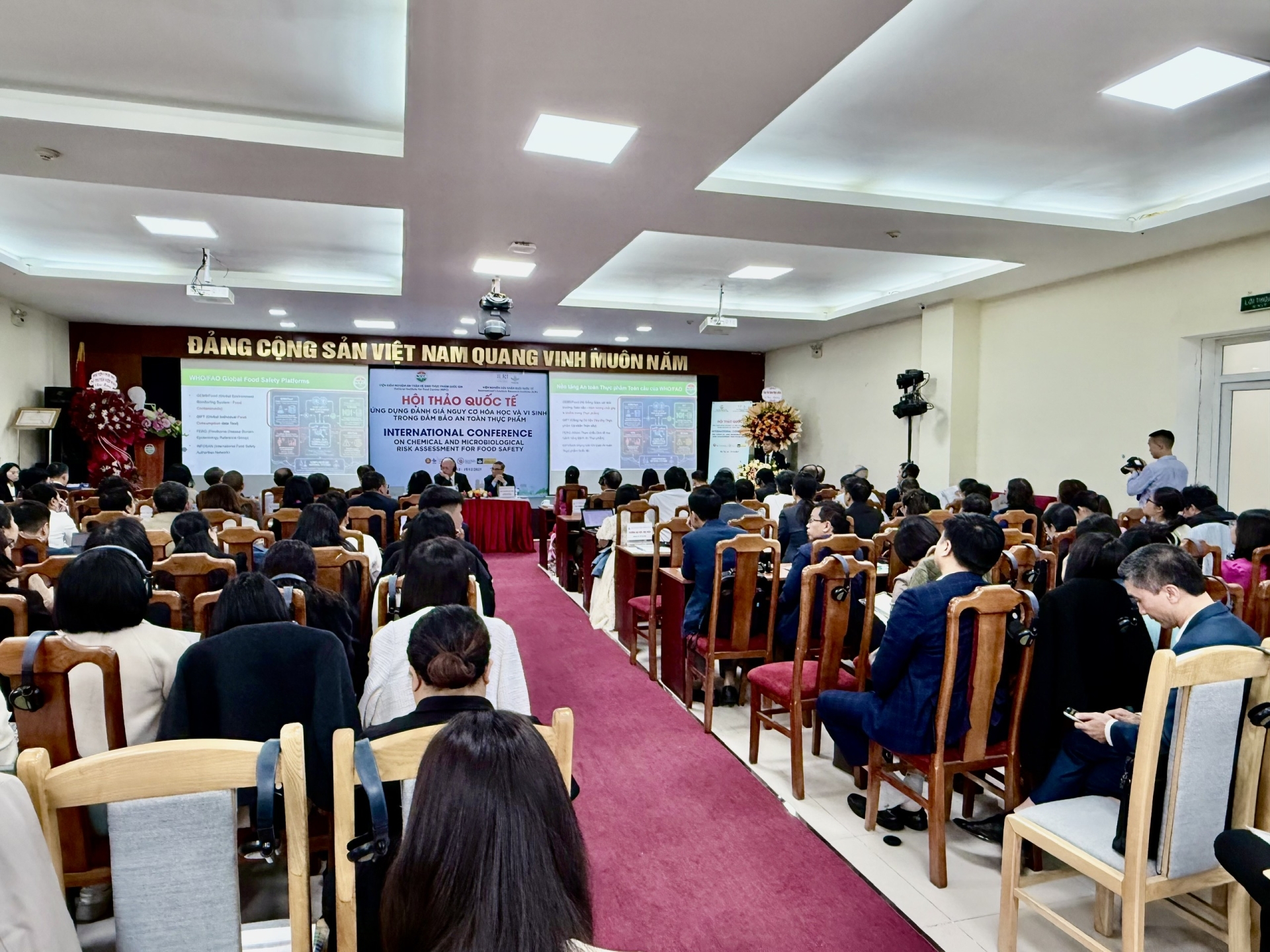
Overview of the International Workshop “Application of Chemical and Microbiological Risk Assessment in Ensuring Food Safety”.
Photo: Phuong Linh.
On the morning of December 18, the National Institute for Food Control (NIFC), in collaboration with the International Livestock Research Institute (ILRI), organized the International Workshop titled “Application of Chemical and Microbiological Risk Assessment in Ensuring Food Safety”.
In her opening remarks, Assoc. Prof. Dr. Le Thi Hong Hao, Director of NIFC, emphasized that proactive and comprehensive prevention and control of potential hazards throughout the entire chain from production to consumption is an urgent and strategic requirement.
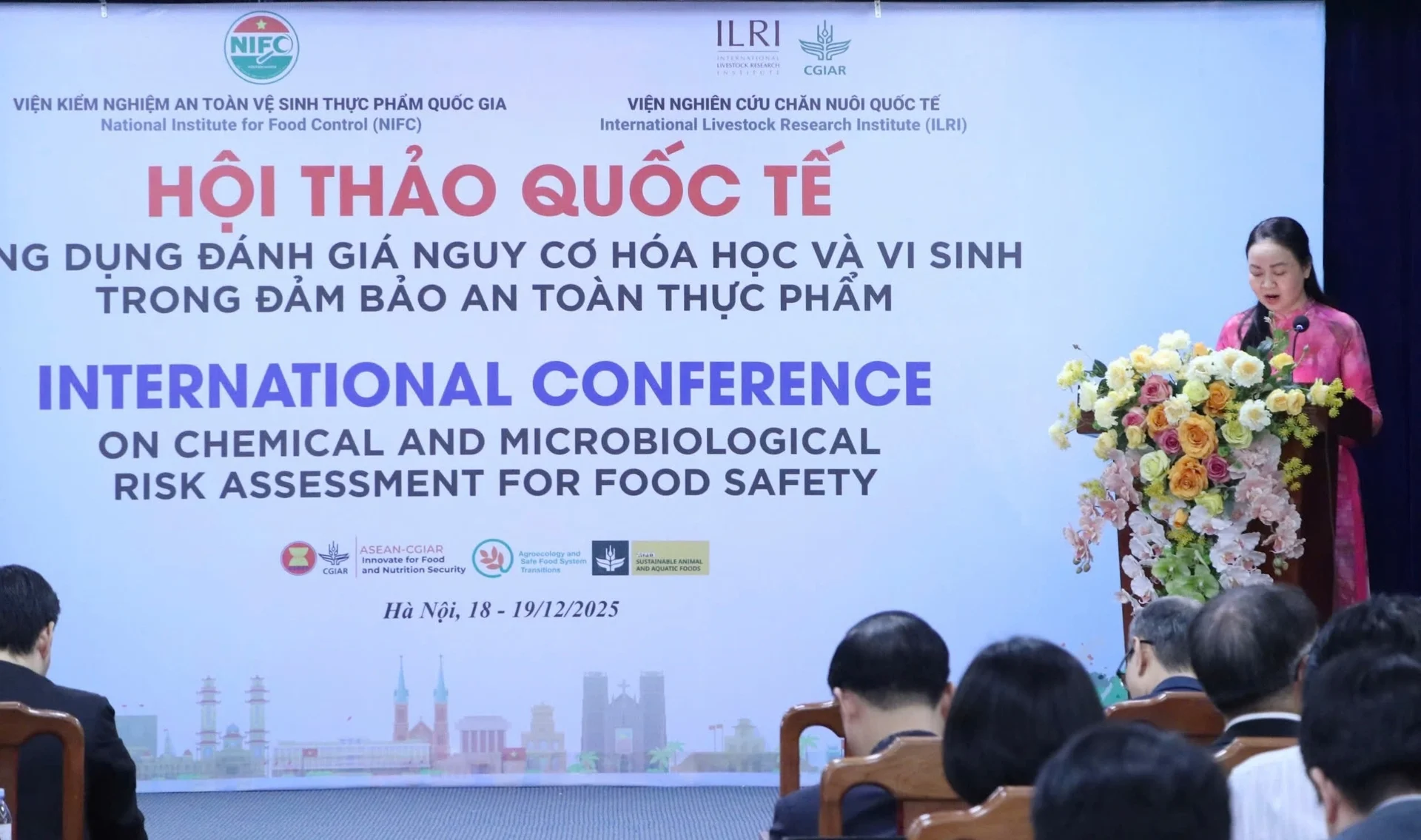
Assoc. Prof. Dr. Le Thi Hong Hao, Director of NIFC, delivering the opening remarks at the workshop. Photo: PL.
To meet this requirement, the development and implementation of chemical and microbiological risk assessment studies based on modern, accurate, and effective scientific evidence are regarded as one of the most practical and effective tools. The findings from these studies provide valuable scientific information on hazards, thereby offering strong support and a foundation for risk-based food safety management.
The workshop was attended by policymakers, scientists, and representatives from the domestic and international food safety community.
“This is an opportunity for delegates to meet and share experience to strengthen research, training, cooperation, and scientific exchange related to food safety and risk assessment,” Assoc. Prof. Dr. Hao stated.

Dr. Nguyen Viet Hung, Regional Director for Asia, ILRI, speaking at the workshop. Photo: Phuong Linh.
According to Dr. Nguyen Viet Hung, the burden of unsafe food is far more severe than previously projected. Productivity losses caused by foodborne diseases are estimated to result in economic losses of up to USD 115 billion, primarily in low- and middle-income countries.
Foodborne diseases impose a disease burden comparable to that of the three major infectious diseases—HIV, tuberculosis, and malaria—with 95% of this burden concentrated in developing countries. Despite this, global investment resources, especially those directed toward developing countries, remain disproportionate to the scale and severity of the problem.
“To achieve the goal that all Vietnamese agricultural, forestry, and fishery products have clear traceability by 2026, risk-based management is a key approach. We are committed to close cooperation with Vietnamese authorities to gradually realize these objectives,” Dr. Nguyen Viet Hung stressed.
Through the participation of experts and organizations from Canada, Germany, Russia, and other countries, together with initiatives such as the application of AI in risk assessment, local pilot projects, and the One Health approach, ILRI aims to enhance the effectiveness of food safety management in Viet Nam.
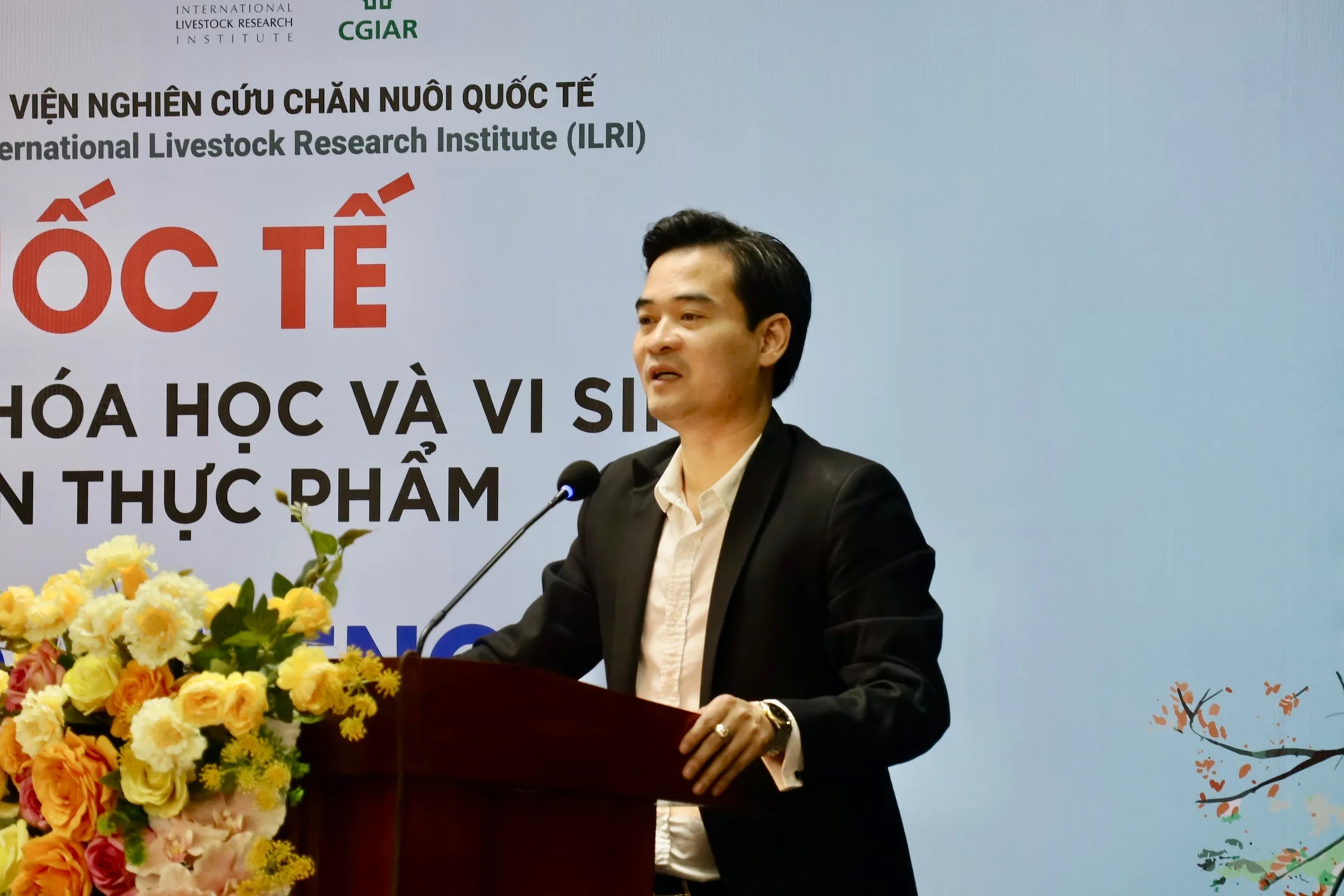
Mr. Chu Quoc Thinh, Acting Director General of the Food Safety Authority, speaking at the workshop. Photo: Phuong Linh..
At the workshop, Dr. Chu Quoc Thinh, Acting Director General of the Food Safety Authority (Ministry of Health), stated that the Authority is urgently drafting amendments to the Food Safety Law for submission to the first session of the 16th National Assembly. To address legal gaps, the Government will soon issue decrees and resolutions to replace Decree 15, promoting a strong shift from basic food safety management toward quality management based on risk.
“The national food safety database system is being rapidly completed, integrating 98 administrative procedures together with the management of good manufacturing practices (GMP) and food advertising, ensuring consistent operation from central to local levels. At the same time, the review and revision of national technical regulations (QCVN) are being actively pursued, with 37 standards expected to be amended to establish a solid scientific basis for market surveillance,” he added.
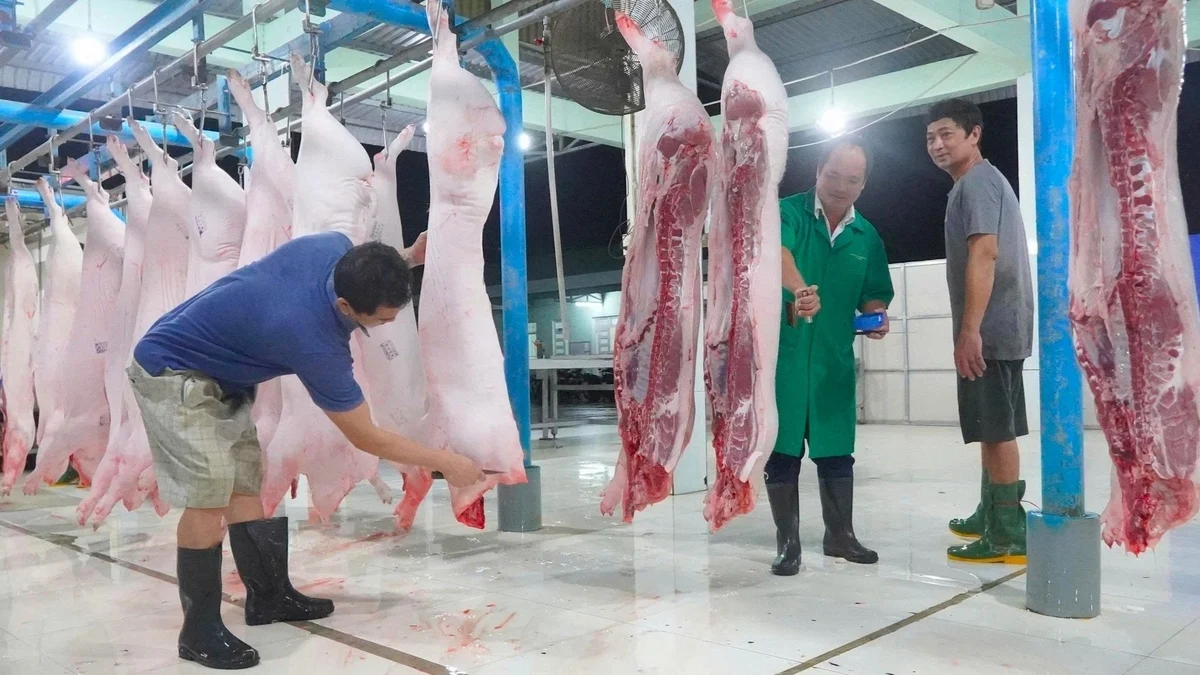
Veterinary officers and technical staff inspect pork products after slaughter before they are supplied to the market. Photo: Kim Anh.
Under the new approach, management will be implemented across the entire value chain from farm to table, with emphasis on controlling agricultural inputs such as fertilizers and pesticide residues, while gradually applying advanced technologies in risk assessment.
“By strengthening local management structures and promoting the core role of NIFC, we commit to building a transparent post-market control mechanism based on scientific evidence, thereby protecting public health and supporting sustainable national development,” Mr. Thinh affirmed.
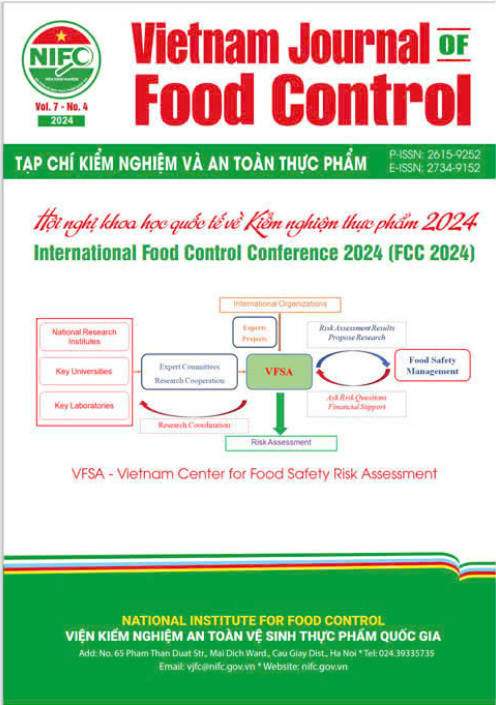
This workshop serves as an important preparatory step for the International Food Control Conference 2026 (FCC 2026), scheduled to take place in October 2026 in Ha Noi. Through professional exchange and stakeholder networking, the workshop contributes to shaping the content, themes, and cooperation directions for the upcoming international event, while also helping Viet Nam assert a more proactive role in the global food control field.
Source: Agriculture and Environment Newspaper https://nongnghiepmoitruong.vn


.jpg)
.png)


.png)