Consultation and Sharing Workshop on Food Safety Risk Assessment Results

On February 6, the Vietnam Center for Food Safety Risk Assessment (VFSA), under the National Institute for Food Control, participated in and presented research results at the Consultation and Sharing Workshop on Food Safety Risk Assessment Results. This was a special event jointly organized by the Safe Food for Growth Project (SAFEGRO) to share the results of project-funded risk assessment studies, and to consult with food safety regulators, marking a step towards scientific evidence-based food safety management and risk assessment.
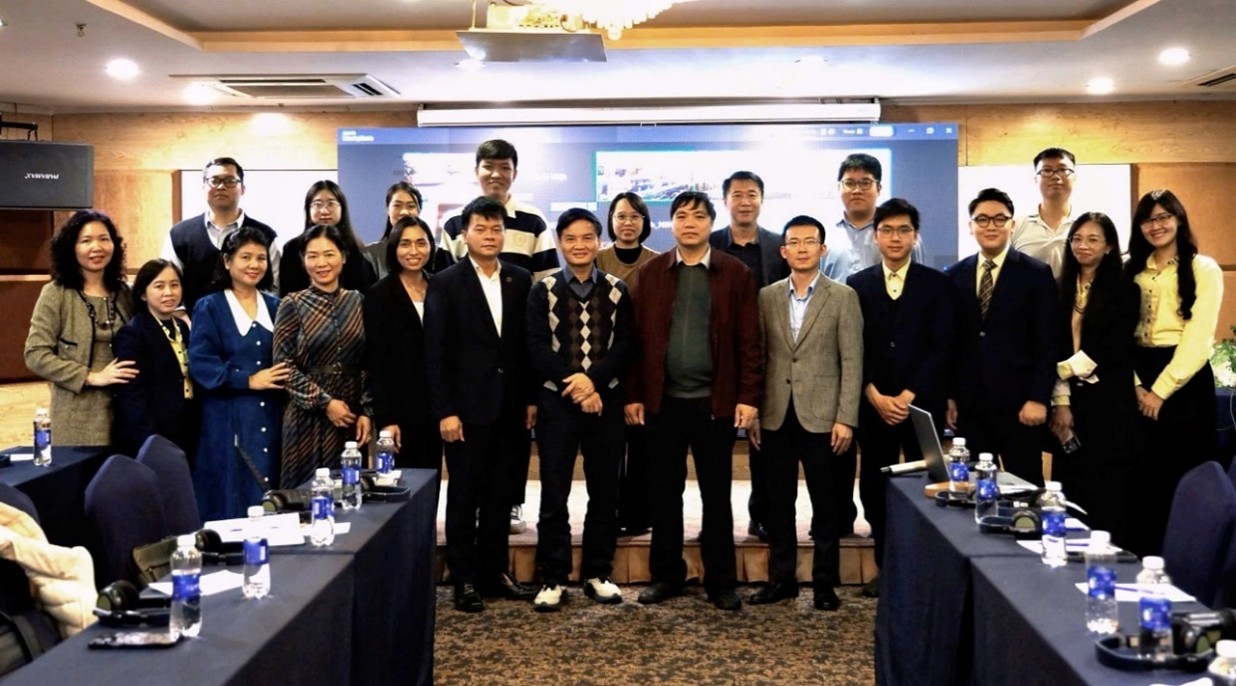
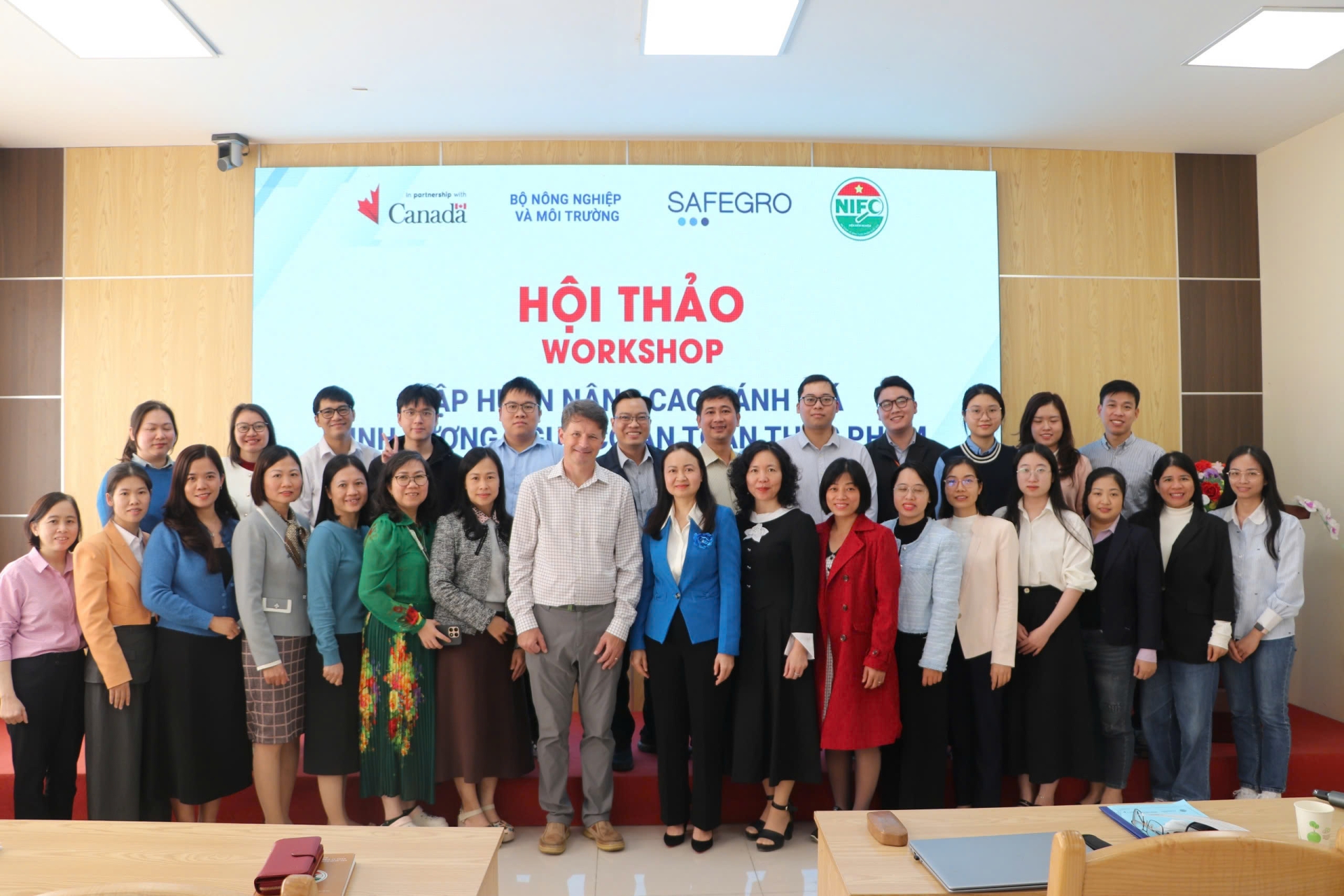
Delegates attending the Consultation and Sharing Workshop on Food Safety Risk Assessment Results
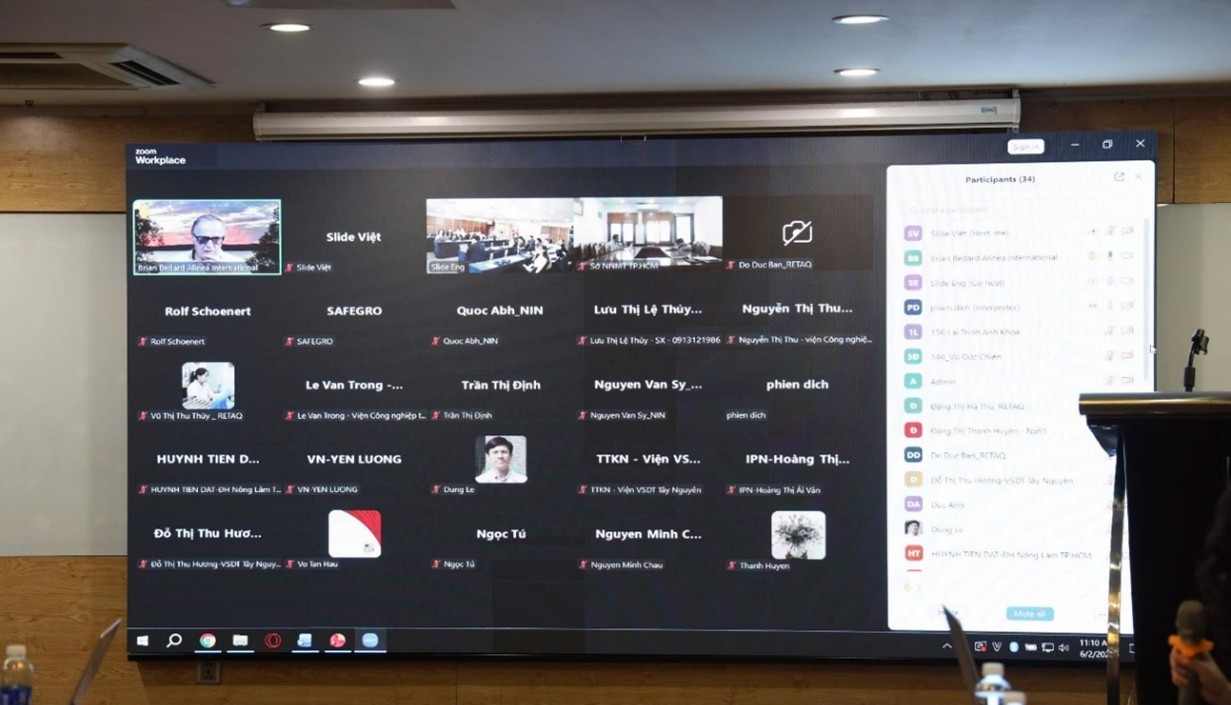
Canadian delegates and representatives of food safety management authorities in Vietnam participated online.
At the workshop, two representatives of VFSA presented the results of two studies conducted under the cooperation framework with SAFEGRO during the 2025-2026 period. These included: (1) risk assessment of histamine in Scombridae fish in Nghe An; and (2) risk assessment of Salmonella in chicken from farm to table in Hanoi. The implementation of these studies stemmed from the increasingly complex situation of foodborne illnesses caused by histamine and Salmonella in recent years, highlighting the urgent need to apply risk assessment methodologies as a scientific basis for food safety management.
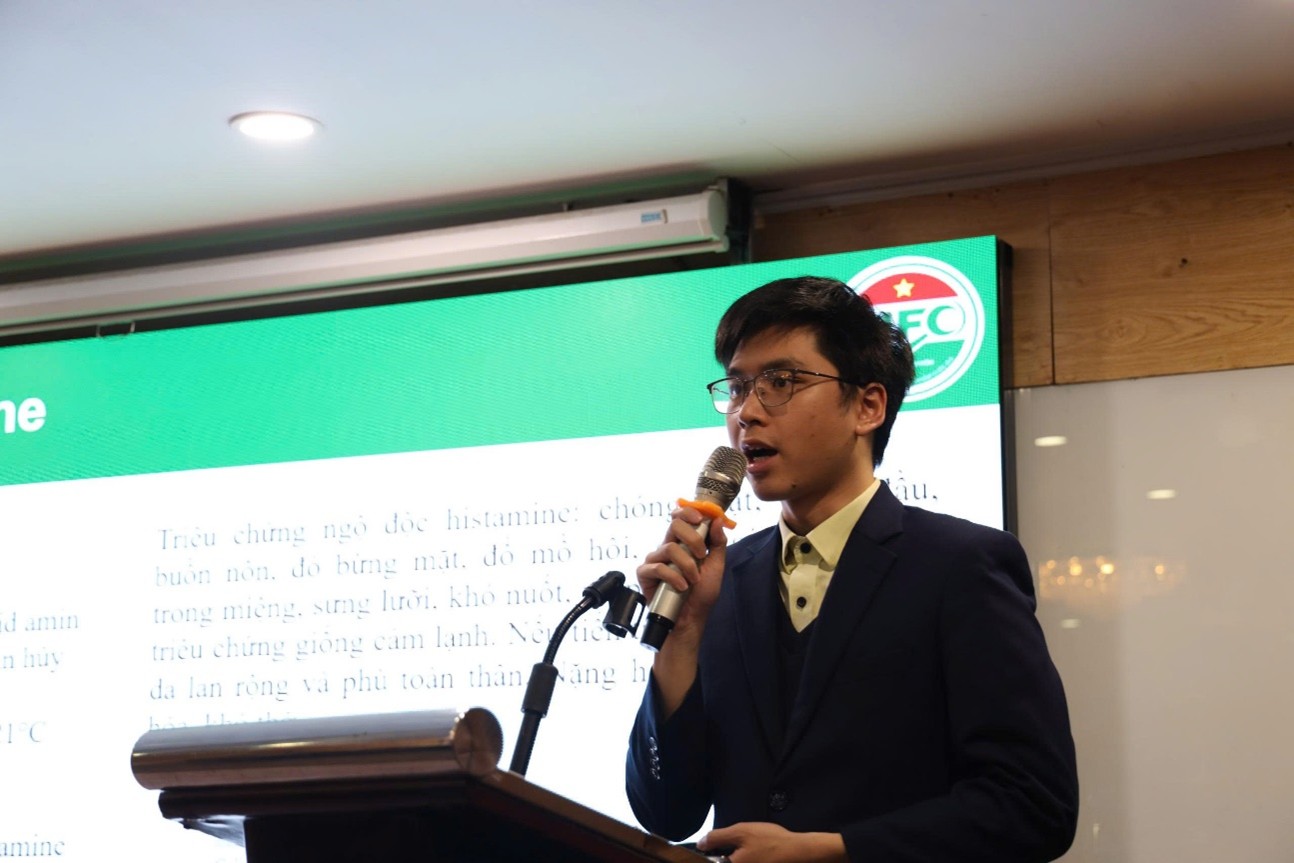
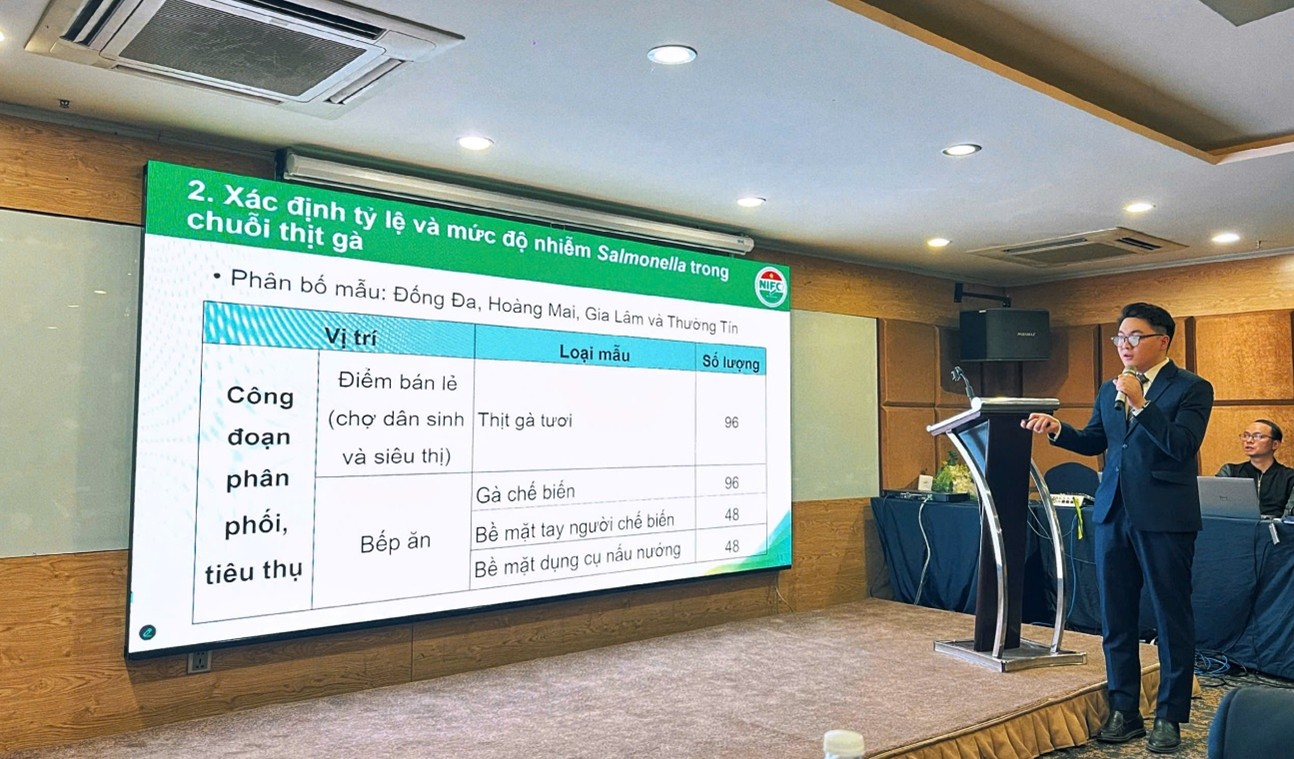
Two representatives of the VFSA presented a risk assessment report
Risk assessment studies provided a clear and specific understanding of the level of risk faced by consumers from food safety hazards such as histamine and Salmonella. Based on these findings, feasible risk control measures were proposed, serving as scientific evidence to support food safety risk management by authorities under the Ministry of Health and the Ministry of Agriculture and Environment. With a systematic and evidence-based approach, the two studies were considered to fully meet the requirements of a food safety risk assessment study.
At the workshop, a representative of the Food Safety Administration (Ministry of Health) shared insights on the value and outcomes of the two studies from a risk management perspective, emphasizing the important role of risk assessment research in supporting regulatory agencies in developing and implementing measures to ensure food safety and protect public health.
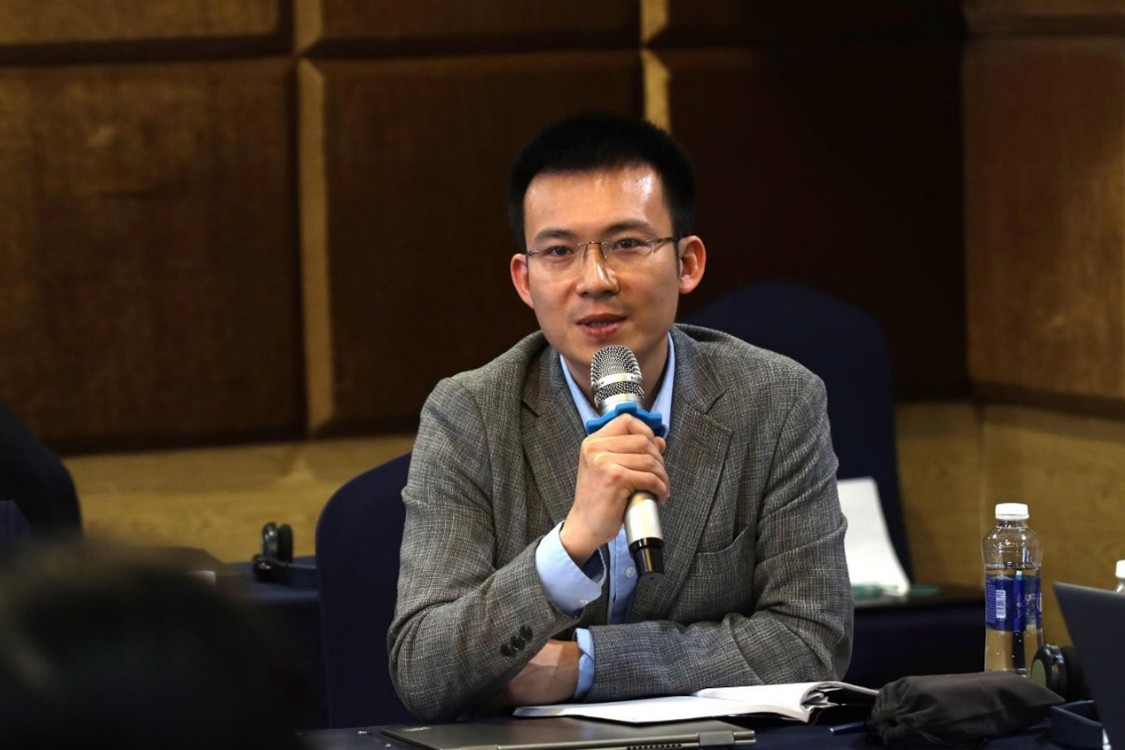
Representative of the Food Safety Administration shared perspectives on the results of the risk assessment study

Mr. Brian Bedard shared perspectives at the workshop
From the Canadian side, Mr. Brian Bedard, an expert of the SAFEGRO Project, highly appreciated the scientific rigor of the risk assessment approach applied in the two studies. He also acknowledged the value of the results in addressing key questions faced by risk managers regarding the impacts of prevailing hazards in commonly consumed foods.
Mr. Nguyen Van Thuan, representative of the National Authority for Agro-Forestry-Fishery Quality, Processing and Market Development (NAFIQPM) and a member of the SAFEGRO Project Coordination Board, emphasized that risk assessment plays a critical role and constitutes an indispensable foundation of modern food safety management. Meanwhile, Mr. Do Thanh Lam, Director of the SAFEGRO Project, noted that the research collaboration has provided the food safety sector with a clear and systematic understanding of how to design and implement a comprehensive risk assessment study, encompassing sampling strategies, laboratory analysis, and data processing, analysis, and interpretation to support risk management.
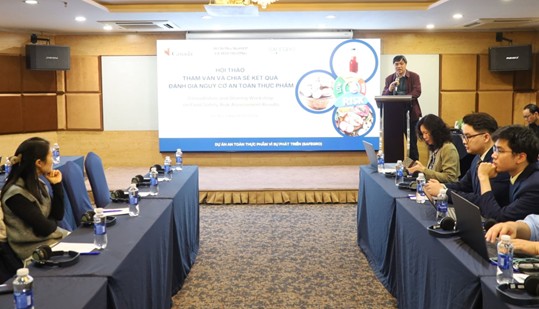
Speech from NAFIQPM representative at the workshop
At the conclusion of the workshop, the research team received numerous valuable comments from participants and experts, which will further refine the food safety risk assessment process to align with domestic conditions and harmonize with international practices. Upon completion, the risk assessment reports will be transferred through the SAFEGRO Project to relevant regulatory authorities, serving as a scientific basis for the development and improvement of food safety management mechanisms, policies, and regulations in the coming period.
Written by: Nguyen Tuan Thanh, Vietnam Center for Food Safety Risk Assessment


.jpg)
.png)




.png)