FCC 2026: Advancing Risk-Based Food Safety Management and International Harmonization

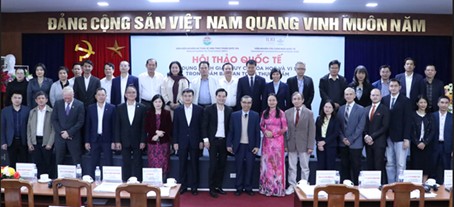
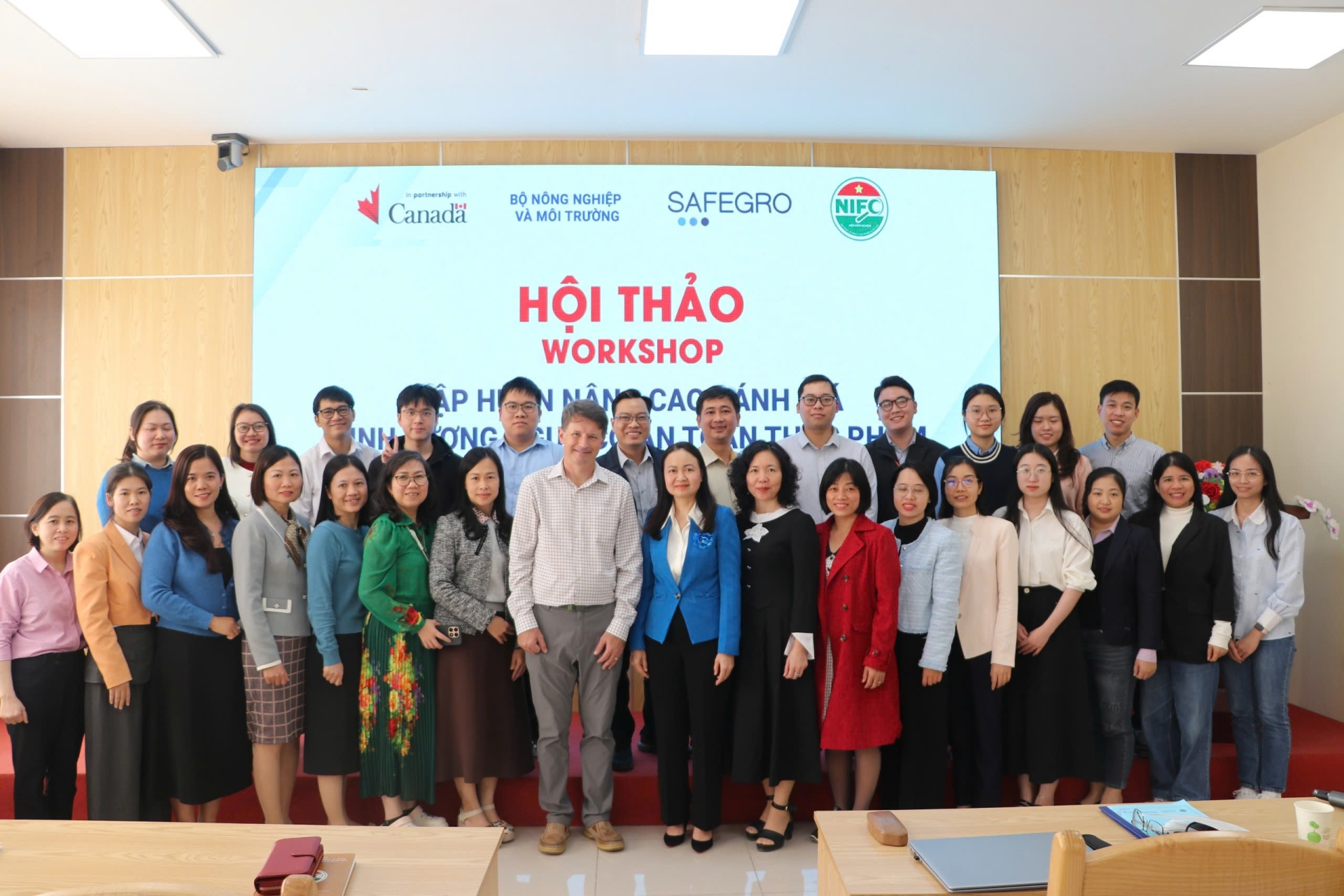
Held in Hanoi on October 15-16, 2026, FCC 2026 served as a forum for managers, scientific experts, international organizations, and industry representatives to exchange views on emerging directions in food safety control. The conference focused on enhancing the reliability of analytical methods, strengthening the scientific basis for risk assessment, improving data connectivity, and promoting the transition from traditional inspection to risk-based food safety management.
Opening the Plenary sessions, Dr. Katerina Mastovska, representing AOAC INTERNATIONAL, emphasized the role of harmonizing analytical methods to ensure the consistency and comparability of test results. In the context of emerging hazards and increasingly stringent food control requirements, analytical methods must be developed, validated, and applied according to clear performance criteria. Programs such as Standard Method Performance Requirements (SMPR) and Official Methods of Analysis (OMA) help define technical requirements and promote the use of reliable methods. Alongside laboratory competence requirements, including ISO/IEC 17025:2017, harmonized analytical methods provide a foundation for regulators and stakeholders to use test results consistently in food safety monitoring, assessment, and control.
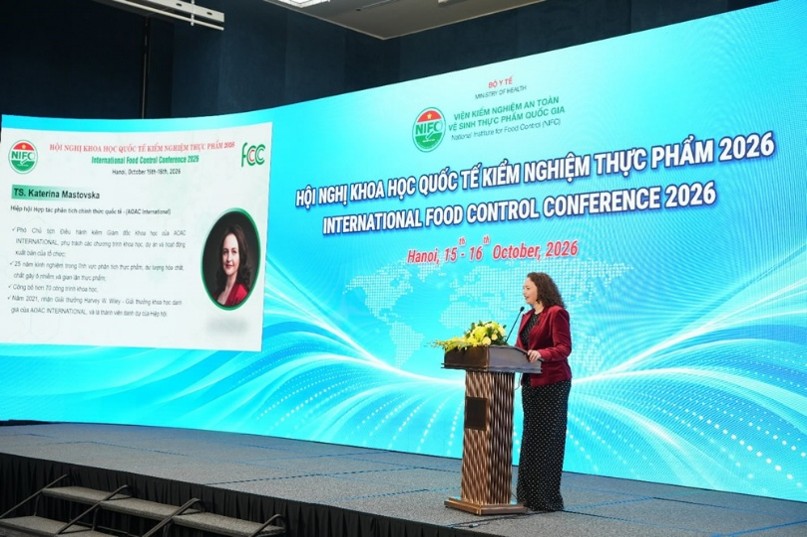
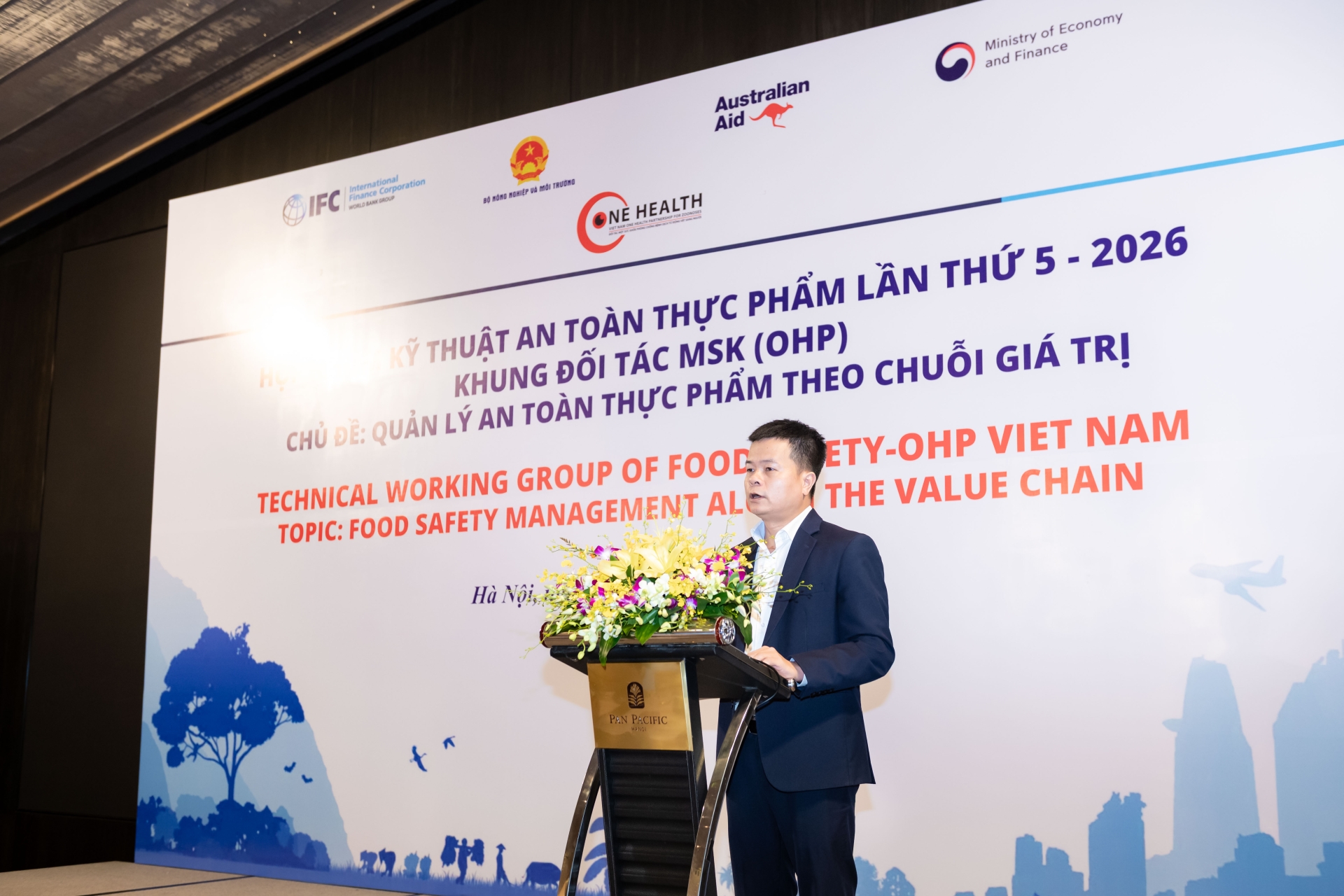
Dr. Katerina Mastovska presented at the Plenary Session of the Conference
Following the discussion on method standardization, Dr. Katharina Sommerkorn, representing the German Federal Institute for Risk Assessment (BfR), addressed the relationship between risk assessment and risk management. The presentation clarified the functional distinction between the two: risk assessment provides scientific evidence on the nature and magnitude of risk, while risk management uses these scientific findings, together with other relevant factors, to make management decisions. The independence, transparency, and objectivity of risk assessment are essential to the quality of food safety-related decisions. Furthermore, effective coordination between risk assessment and risk management bodies ensures that scientific findings are translated into control measures appropriate to practical contexts.

Dr. Katharina Sommerkorn presented at the Plenary Session of the Conference
From the perspective of building a risk assessment system, experts from the China National Center for Food Safety Risk Assessment (CFSA), Dr. Tian Jing and Dr. Yongxiang Fan, shared their experience and the role of databases in food safety risk assessment. Their presentation demonstrated that an effective risk assessment system relies on multiple information sources, including food hazard monitoring data, food consumption data, foodborne disease surveillance data, and toxicological data. Connecting these data sources enables risk assessments to more accurately reflect consumer exposure rather than relying solely on hazard detection results.

Dr. Jing Tian presented at the Plenary Session of the Conference
Next, Dr. Paul Hanlon, representing Abbott Nutrition, approached food safety from the perspectives of toxicology and risk assessment. His presentation emphasized the core toxicological principle that the biological effect of a substance depends on both dose and exposure. Therefore, detecting a potentially harmful substance in food does not necessarily mean consumers will experience adverse health effects. Risk assessment must consider both the nature of the hazard, the level of exposure, and the relationship between dose and health effects.
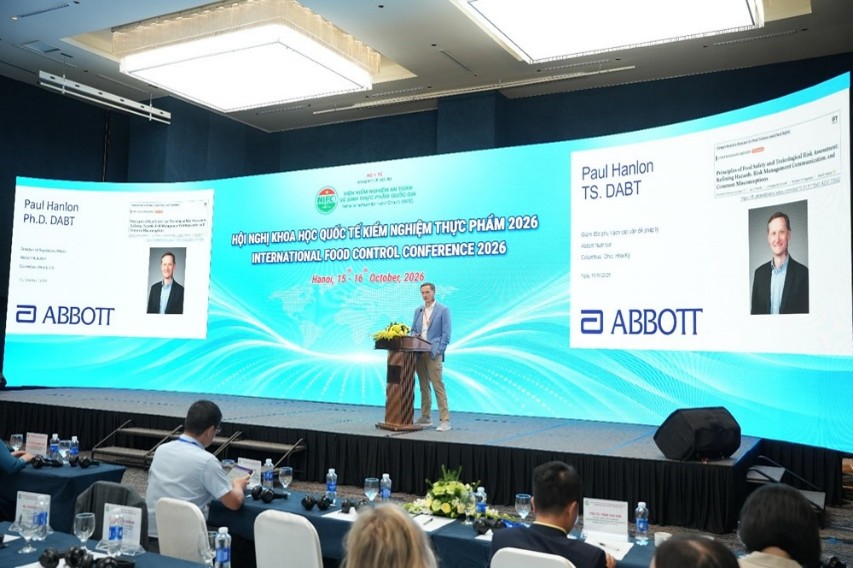
Dr. Paul Hanlon presented at the Plenary Session of the Conference
Concepts such as the Acceptable Daily Intake (ADI), safety limits, and the distinction between relative and absolute risk provide a basis for interpreting scientific results more accurately. The presentation also highlighted the importance of risk communication: information should be presented clearly, with context, and without confusing the presence of a hazard with the actual level of risk. This is essential to support science-based management decisions and to strengthen consumer confidence.
Drawing on international experience, Assoc. Prof. Dr. Tran Cao Son, representing the National Institute for Food Control (NIFC) and the Vietnam Food Safety Risk Assessment Center (VFSA), presented the challenges facing Vietnam's food safety risk assessment system. The report addressed the role of VFSA in promoting risk assessment activities and the need to strengthen scientific capacity to support food safety management. Given that monitoring activities are conducted by multiple agencies and sectors, the aggregation, sharing, and analysis of data remain a challenge. Data are fragmented and lack interoperability; detailed food consumption information and total diet study data remain limited, complicating exposure estimation and public health risk assessment.
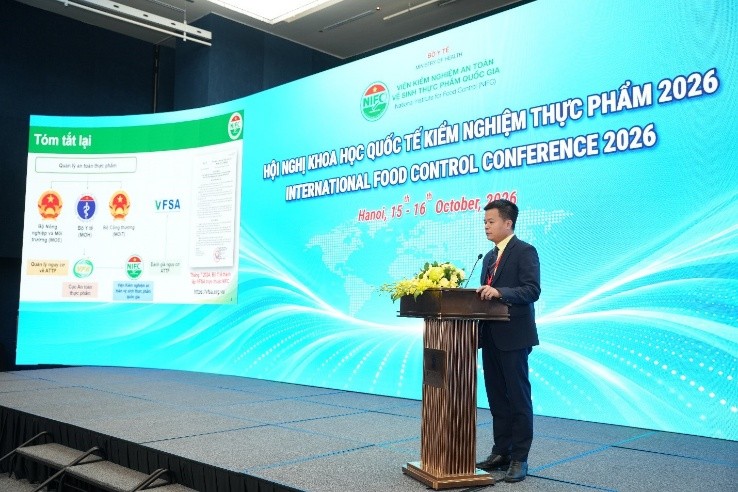
Assoc. Prof. Dr. Tran Cao Son presented at the Plenary Session of the Conference
The report emphasized the need to shift from a reactive approach-focused on inspection and post-violation handling to a risk-based management model. Accordingly, control resources should be prioritized for higher-risk food groups, hazards, and exposure groups, based on a combination of monitoring data, test results, epidemiological information, and scientific evidence. To implement this orientation, Vietnam should continue developing shared databases, strengthening research on food consumption, enhancing risk assessment capacity, and promoting coordination among relevant agencies.
The technical presentations provided the basis for a panel discussion with representatives from management agencies, scientific organizations, and enterprises, moderated by Assoc. Prof. Dr. Tran Cao Son, with the participation of Mr. Bui Duc Lap from the Vietnam Food Administration (VFA). The discussion focused on practical ways to promote risk-based food safety management, from surveillance and testing to data sharing, analytical method selection, and coordination among stakeholders in the food chain.
One of the key issues emphasized was the need to strengthen the connection between risk assessment and management activities. Priority setting must be based on evidence regarding hazards and exposure levels, rather than applying a uniform approach to all products and establishments. At the same time, management activities should be supported by quality data, appropriate control measures, and effective coordination among relevant units. These contents demonstrate that the transition to risk-based management is not merely a change in inspection methods but also requires improvement in data systems, processes, and professional capacity.
During the discussion, delegates explored issues related to the independence of risk assessment activities, the need to develop databases, and the selection of appropriate analytical methods. The role of enterprises in proactively identifying emerging hazards was also discussed, along with the potential of modern analytical technologies, including high-resolution mass spectrometry, to support the detection and investigation of emerging hazards. In addition, the development of rapid and reliable analytical methods is significant in meeting the requirements of monitoring, investigation, and risk control.
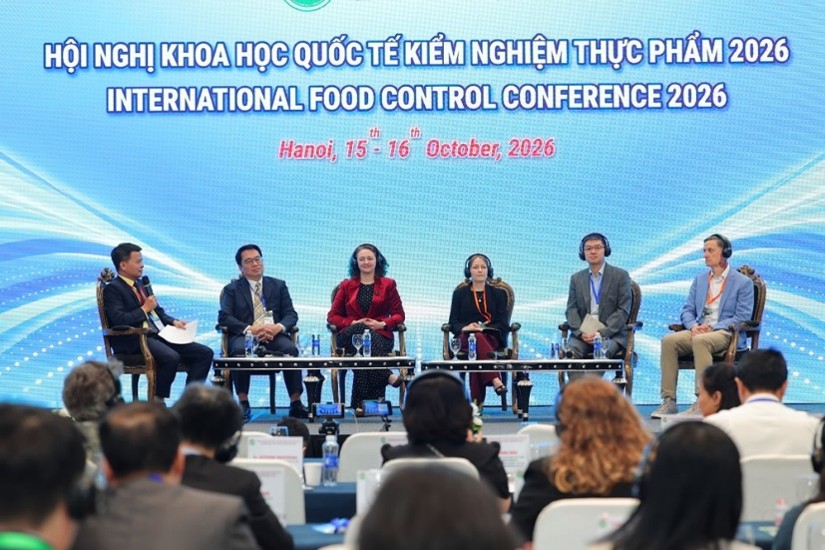
Domestic and international experts exchanged knowledge at a panel discussion on food testing and safety
Questions from delegates also clarified several technical issues that directly affect the consistency of assessment results, such as determining additive levels in powdered products on an as-consumed basis, residue definitions, limits of detection (LOD), and limits of quantification (LOQ). These exchanges demonstrated that harmonization is not limited to agreeing on test methods but also requires harmonizing result interpretation, conditions for comparison between studies, and between management systems.
From the presentations and discussions at the conference, it is evident that enhancing risk-based food safety control requires simultaneous implementation across multiple dimensions. First, it is necessary to improve connectivity and data sharing among sectors while enhancing the quality of food consumption data to support exposure assessments close to reality. Second, it is essential to develop total diet studies, enhance professional capacity, harmonize analytical methods, and improve risk communication to strengthen the scientific basis for management decisions.
For Vietnam, the international experience shared at FCC 2026 is an important reference in the process of completing the risk assessment system and strengthening intersectoral coordination. In this orientation, NIFC and VFSA play a central role in promoting research, database development, and risk assessment capacity, while strengthening cooperation with management agencies, scientific organizations, and international partners. Cooperative initiatives on standardizing risk assessment data, including the APEC project to be implemented in 2027, could contribute to creating a foundation for information exchange and harmonization of approaches among systems.
The plenary session concluded with a consistent message: effective food safety control must be built on a solid scientific foundation, reliable data, and close coordination among stakeholders. Harmonizing analytical methods, strengthening the independence of risk assessment, improving exposure data, and translating scientific evidence into management decisions are important steps toward a proactive, transparent, and risk-based food safety system.